Clear scope before work
You see the written scope and the price before any work starts.
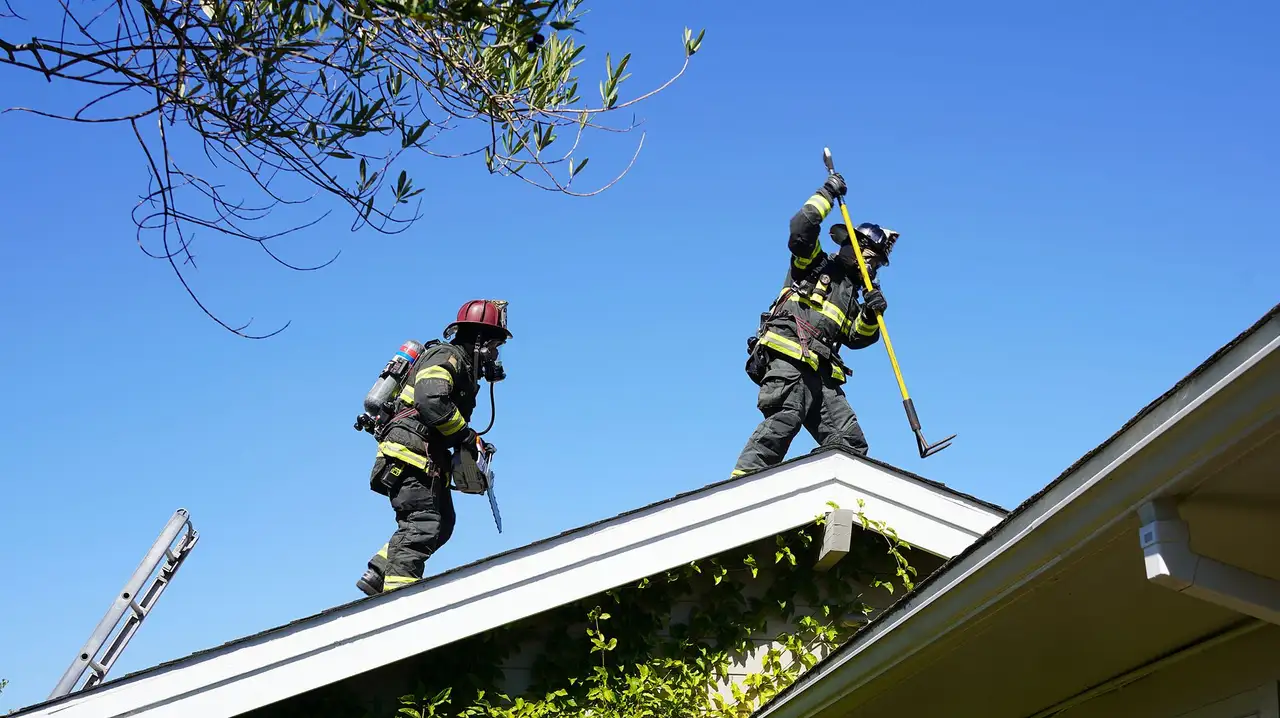
The fascia board is the strip of wood the gutter hangs from — and the first piece of wood Houston rain reaches when a gutter overflows, a drip edge fails, or a downspout backs up. Once it softens, hangers pull out, the gutter sags, and water finds the soffit and the roof deck. We probe the fascia, find the water source, replace the rotten boards, reset the drip edge, and re-hang the gutter on solid wood.
You see the written scope and the price before any work starts.
Gutters, fascia and downspouts are treated as part of the roof water system, not an add-on.
We photograph the fascia, hangers and outlets so you can see the problem yourself.
A Houston roofing company at 5507 Lyons Ave — call (936) 873-7200 and talk to the team.
A fascia repair starts by finding where the water came from. Here is what a repair visit covers.
We probe the fascia along every run, not just the visibly bad section. Rot spreads behind paint, and the soft board next to the bad one is usually next.
Fascia rots because water reaches it — from an overflowing gutter, a failed drip edge, or a backed-up downspout. We find the source before we replace the wood.
Rotten sections are cut out and replaced with matching boards, spliced so the joint is sound and the line stays straight.
The drip edge is reset so water sheds into the gutter instead of behind it. A gap at the drip edge is the most common cause of fascia rot we see.
The gutter is re-hung on the new boards with hangers on 24-inch centers, pitched correctly, and water-tested.
Debris is hauled off and you get photos of the rot we found and the boards we replaced.
Tell us what you are seeing — a sagging gutter, peeling paint at the eave, or a soft spot behind the run — and we will arrange an inspection and a written scope.
Fascia repair in Houston is probing the board to find how far the rot has spread, finding the water source that caused it, replacing the rotten sections, and re-hanging the gutter on solid wood.
Fascia rot is almost always a water problem with a roof cause. A gutter that overflows in a Houston burst, a drip edge with a gap, a downspout that backs up — each one soaks the same board, and the board rots from the inside out. Paint hides it until the hangers pull out.
That is why we probe before we quote. The visibly bad section is rarely the whole story, and replacing one board while the next one is soft is a repair that comes back in a year.
Tell us what you are seeing — a sagging gutter, paint peeling at the eave, or a soft spot you can press with a finger.
We walk the roofline and probe the fascia along every run, checking the drip edge and the gutter hangers as we go. Photos are taken of what we find.
We work out where the water came from — overflowing gutter, failed drip edge, or backed-up downspout — and explain it in plain terms.
Rotten sections are cut out and replaced, the drip edge is reset, and the new boards are sealed so the joint is sound.
The gutter is re-hung on the new boards, pitched correctly, and water-tested. Debris is hauled off and the job is walked with you.
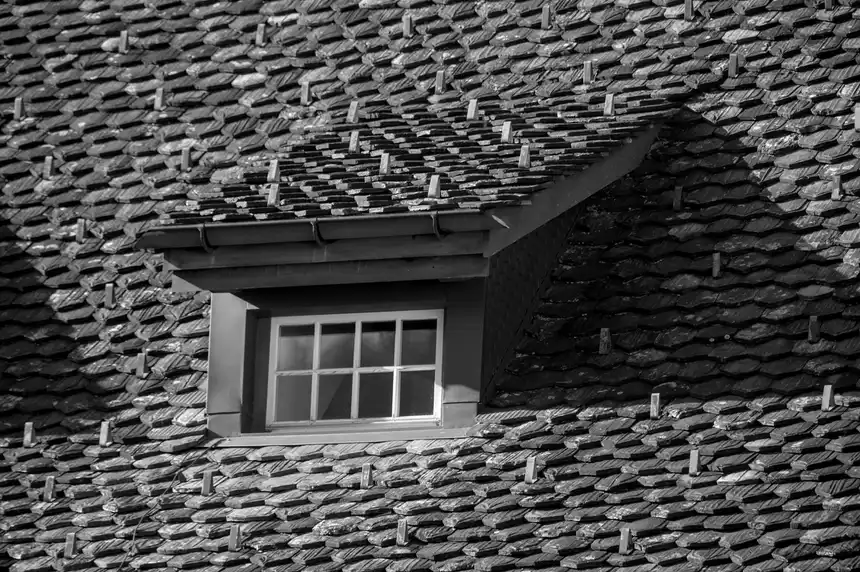
Probes fascia and soffit for hidden rot. What looks solid from the ladder is often soft behind the gutter.
Rotten sections are cut out cleanly and spliced so the joint is sound and the line stays straight.
The drip edge is reset so water sheds into the gutter instead of behind it — the most common cause of fascia rot we see.
The gutter is re-hung on the new boards with hangers on 24-inch centers, screwed into solid wood.
Pitch is checked with a level before the gutter goes back up, so water moves instead of sitting against the new boards.
Running water through the system proves the drip edge, the gutter and the fascia are working together before we leave.
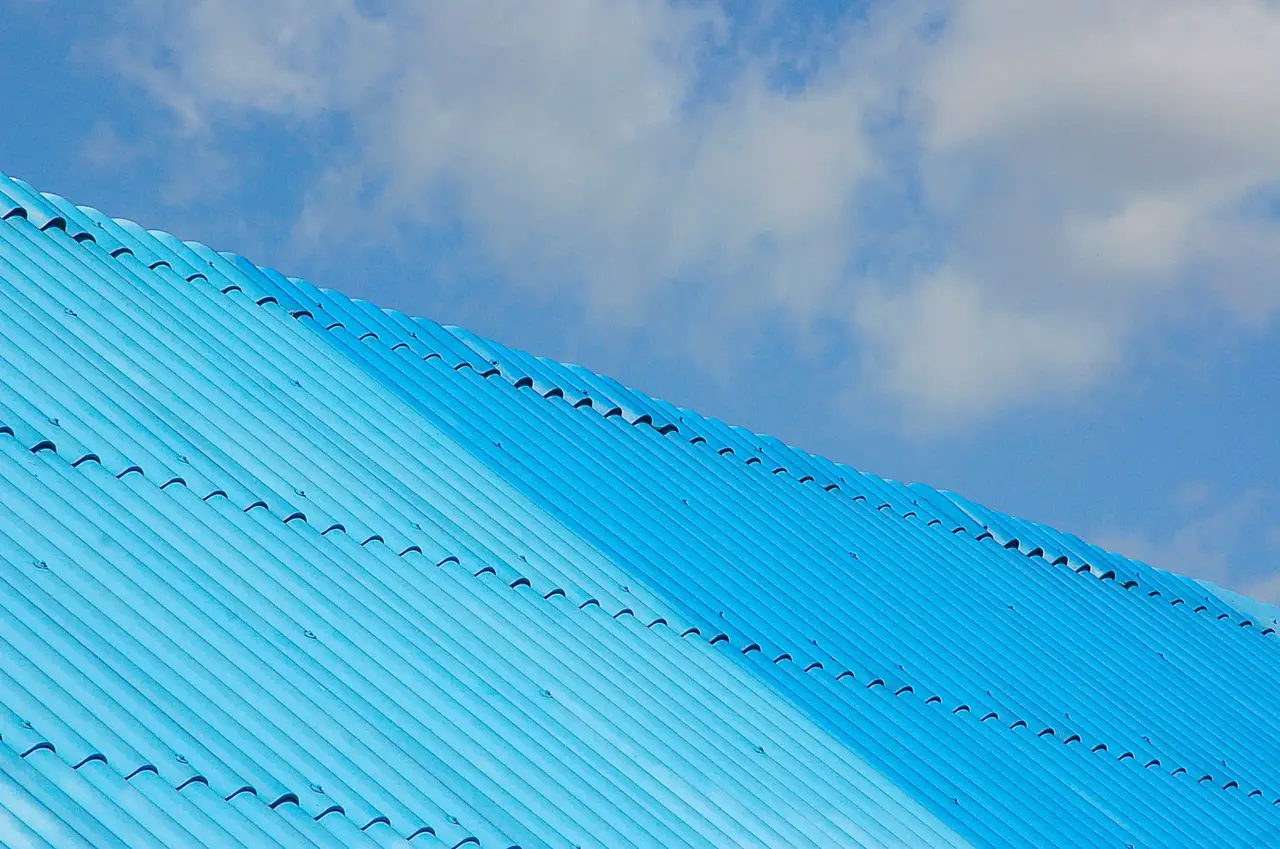
Hangers pulling out of rotten wood. We probe the full run, replace the soft boards, and re-hang the gutter on solid wood.
Water is getting behind the gutter — usually a drip edge gap or an overflowing run. We find the source, reset the drip edge, and replace the rotten boards.
Older bungalows have shallow fascia that rots fast once water reaches it. We replace the boards, reset the drip edge, and re-hang with hangers set to the wood.
Scuppers and interior drains that back up soak the fascia and the parapet. We check the drain, the scupper and the fascia as one path.
Houston is hard on fascia because Houston is hard on gutters. About 52 inches of rain a year in short, intense bursts, pine needles and oak leaves packing the outlets, and flat-roof scuppers backing up on townhomes — all of it ends with water sitting against the fascia board. Once the board softens, the hangers pull out and the gutter sags, and the rot spreads to the soffit and the roof deck.
Many 1920s and 1940s bungalows have shallow fascia and period trim. The wood rots fast once water reaches it, and the drip edge is often the original.
Pine needles pack the gutters and the valleys, and once gutters fill, rain backs up under the first row of shingles and rots the decking along the eaves.
Low-slope ranches shed water slowly, and the eaves work hard. A drip edge gap here soaks the fascia every rain.
Townhome flat roofs drain through scuppers and interior drains. A blocked scupper soaks the fascia and the parapet together.
Large, complex rooflines with long runs and many corners. Corners are where water gets behind the gutter first.
A gutter that copes in a drizzle overflows in a burst, and the overflow soaks the fascia. We fix the water source — pitch, drip edge, downspout — not just the board.
A 1950s ranch in Oak Forest had a gutter sagging between hangers, with fascia so soft behind the worst run that a finger pressed straight through the paint.
We probed the full run, replaced three soft boards, reset the drip edge, and re-hung the gutter on solid wood with hangers on 24-inch centers. Water-tested and dry.
Keep it working: Check the eave paint each spring. Peeling paint at the fascia is the earliest sign water is getting behind the gutter.
A home in Montrose had paint peeling at the eave and a stained soffit. The drip edge had a gap, and every rain sent water behind the gutter.
We reset the drip edge, replaced the rotten fascia, and re-hung the gutter. The soffit dried out and the paint stays put.
Keep it working: Keep the gutters clear. A clogged run overflows at the same spot the drip edge was fixed.
A Midtown townhome had water staining at the parapet and soft fascia below the scupper. The interior drain was blocked and the scupper was backing up.
We cleared the drain and scupper, replaced the soft fascia, and the flat section drains again. The staining stopped at the source.
Keep it working: Check flat-roof drains after every heavy rain. A blocked drain ponds water fast.
Most of the expensive damage we see in Houston started as a small fascia problem. Here are the ones we run into most and how we stop them.
Water gets behind the gutter from a failed drip edge or an overflowing run, and the fascia rots from the inside out. We probe the full run and replace every soft board.
Hangers screwed into soft wood pull out, and the gutter sags. The fix is new boards first, then re-hanging on solid wood.
A gap at the drip edge sends water behind the gutter instead of into it. Resetting the drip edge is part of every fascia repair we do.
Once the fascia goes, the soffit is next. We check the soffit while the gutter is down and flag anything soft in writing.
Fascia repair is water-source work. The board is the symptom; the drip edge, the gutter pitch or the downspout is the cause. We find the cause, show you photos of the rot, replace the boards on solid wood, and prove the whole path with water before we leave.

Rated 4.9 out of 5 from 46 Google reviews. The excerpts below are from our Google profile — short excerpts only, with the reviewer’s name, rating and the date Google shows.
“They replaced an old cracked skylight on the roof of my two-story home, and i was very pleased with the whole roofing process. From the first call back to the roof inspection, estimate, and final installation, everything was handled on time…”
Google review · Attic venting repairs, gutter installation, roof inspection · Read on Google
“From our first call with Thomas Family Roofing, it was clear they were focused on giving us a quality new roof and making the whole roofing process easy to understand. Miguel explained the scope of the roof replacement, the materials and shingle options…”
Google review · Roof repair for storm & wind damage · Read on Google
“We contacted Thomas Family Roofing for an estimate on repairs for our metal roof in Houston. Luis came out, inspected the roof in person, and explained clearly what needed attention, including a few details about flashing and panel areas that other roofers had missed.”
Google review · Attic venting repairs, gutter installation, roof inspection · Read on Google
Press it. Soft wood, paint peeling at the eave, a gutter that sags or pulls away, and staining on the soffit are the signs. Rot spreads behind paint, so the board beside the visibly bad one is often soft too — we probe the full run to find how far it has gone.
Water reaching the board — from a gutter that overflows in a heavy rain, a drip edge with a gap, or a downspout that backs up. Pine needles and oak leaves packing the gutters make it worse, because the overflow soaks the same board every storm.
Yes, in most cases. Rotten sections are cut out and spliced with matching boards so the joint is sound and the line stays straight. If the rot runs the full length, the whole board is replaced.
Usually, yes — the gutter is part of the cause. The drip edge is reset, the gutter is re-hung on the new boards and pitched correctly, and the whole path is water-tested. Replacing the board without fixing the water source just rots the new board.
Most fascia repairs are done in a day once the scope is agreed. The inspection and the written scope come first, so you know exactly which boards are being replaced and why.
Call Thomas Family Roofing at (936) 873-7200 and describe what you are seeing — we will tell you honestly whether it needs a visit or can wait for an inspection.
Call (936) 873-7200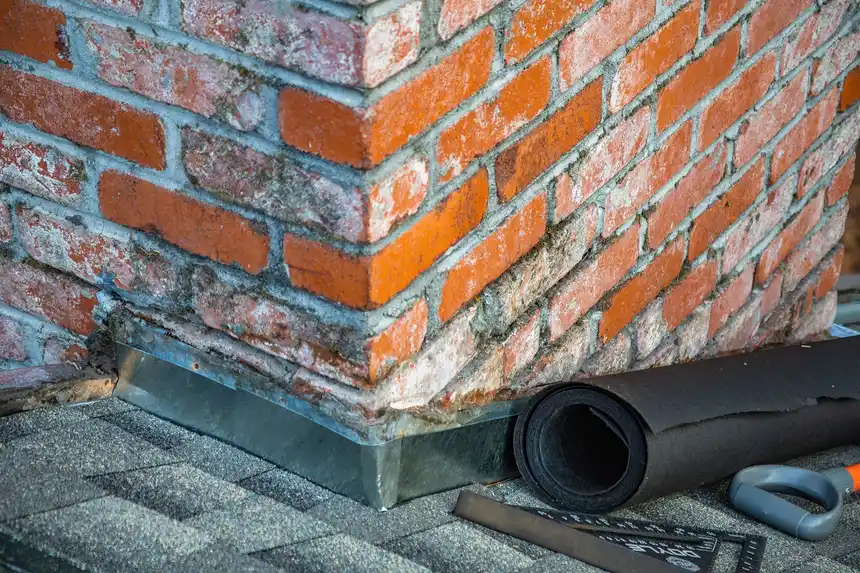
A leak at the roof edge is often a drainage problem, not a shingle problem. When we repair a roof, we check whether overflowing gutters or failed fascia caused the damage.
Learn more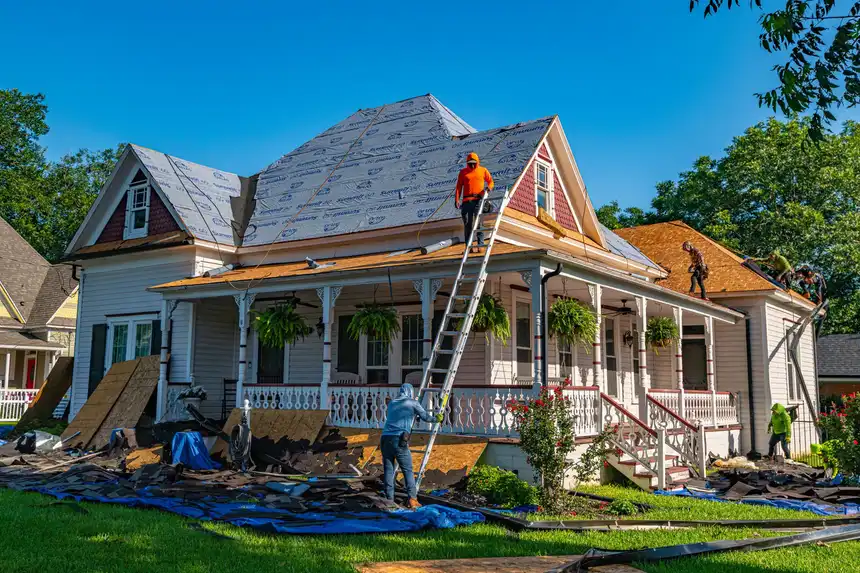
If your roof is being replaced, that is the moment to sort the gutters and fascia — the drip edge is fresh and the wood is exposed, so the whole water system can be set up right.
Learn more
Our roof inspection includes the gutter system, downspouts and fascia. We flag loose hangers, sagging runs and clogged outlets before they turn into rot, and you get photos of what we find.
Learn more
Call (936) 873-7200 and tell us what you are seeing — a sagging run, water at the slab, or a gutter that overflows every storm. We will arrange an inspection and give you a written scope before any work starts. Or send a service request through the form and we will call you back.