Focused arrival windows
Useful updates and clear arrival timing.
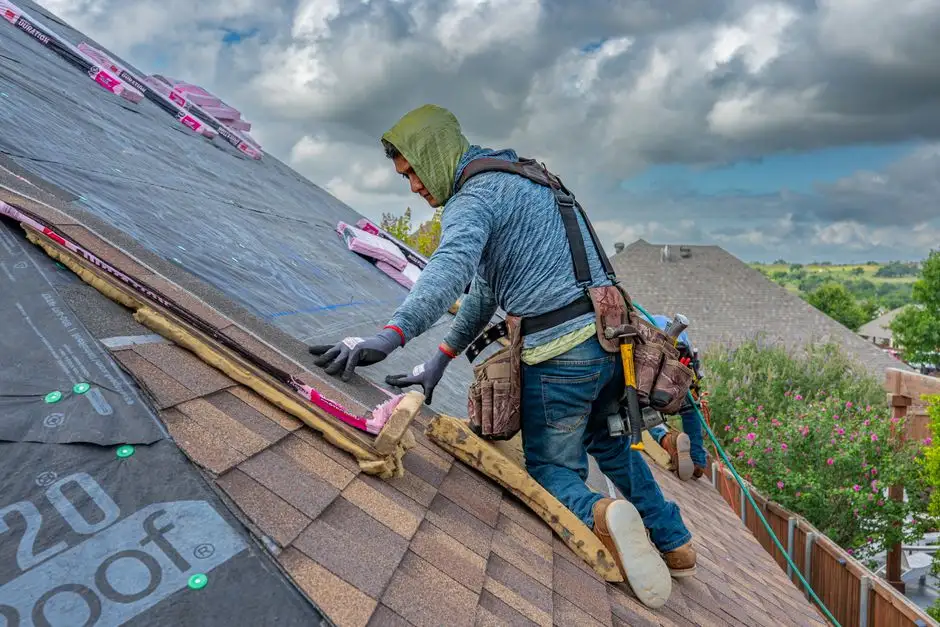
Architectural shingles are the pitched roof Houston builds most, and they live a shorter life here than anywhere else in the country. Heat, UV, and humidity wear the binder down, so a shingle roof in Houston lasts roughly 18 to 25 years, against about 30 years nationally. Shingle roofing in Houston means choosing the right shingle for the slope and the shade, and installing it with new flashing and balanced ventilation. Start with a roof inspection and a written scope.
Useful updates and clear arrival timing.
Review the approach and price before deciding.
Equipped vehicles and respectful cleanup.
Neighbors serving neighbors with follow-through.
A shingle roof is a system: shingles, underlayment, flashing, drip edge, and ventilation. Here is what is part of the job.
The pitched shingle Houston builds most. Thicker, dimensional, and longer-lived than 3-tab, and the standard on most Houston homes.
The older, flatter shingle, still found on rental stock and older homes. We say plainly where 3-tab still makes sense and where it does not.
A product choice, not a mandate. No Houston hail or Class 4 mandate was found. Class 4 shingles resist hail bruising better and can carry insurance-premium implications. Ask your insurer.
Synthetic underlayment across the field, with a self-adhering membrane at valleys, eaves, and around penetrations.
Chimney flashing, vent flashing, and drip edge are replaced, not reused. Old flashing is where most Houston leaks start.
Ridge vent paired with soffit intake. Houston attics run 140 to 160 degrees without it, and that heat ages shingles from underneath.
Tell us the age of the roof and what it is doing. We will talk through the next step and what an inspection covers.
Shingle roofing in Houston is the architectural shingle, installed as a system. The shingle is the visible layer. The underlayment, flashing, drip edge, and ventilation underneath it are what decide whether the roof lasts 18 years or 25.
The choice is architectural versus 3-tab, and Class 4 impact-resistant as an upgrade. Architectural shingles are the standard on most Houston homes. 3-tab survives mainly on older rental stock. Class 4 shingles are a product choice with insurance-premium implications, not a code requirement, and they sit at roughly $6.50 to $11.00 per sq ft of roof surface across published Texas sources. Angi Houston, updated 1 August 2026, puts asphalt shingle replacement at $4 to $6 per sq ft of roof surface. These are published market ranges, not this business’s prices. Your price depends on your roof’s size, pitch, deck condition, and material, and is set out in a written scope after an inspection.
Then there is the shade. Shaded slopes stay damp and grow algae and moss, the dark streaks you see on roofs under live oaks in the Heights, Montrose, and Kingwood. The algae is Gloeocapsa magma, and it holds moisture against the shingle. A shingle scope for a shaded roof says so, and the cleaning and maintenance plan matches it.
We walk the roof, check granule loss, curling, and flashing, and photograph what we find. You get a written scope with the shingle, the ventilation plan, and the work included.
Architectural, 3-tab, or Class 4 impact-resistant, chosen for the house, the slope, and the shade. The choice is written into the scope.
A re-roof inside the city needs a City of Houston Residential Roofing Permit, about 10 business days. The permit is part of the written scope.
Old layers come off to the deck, soft sheathing is replaced, and the new system goes on: underlayment, membrane, drip edge, flashing, and shingles.
We walk the roof and the yard with you and hand over the photos of the deck and flashing details for your records.
Drives fasteners to the correct depth and pattern for the shingle being installed.
Strip old shingles without tearing up the deck underneath.
Checks the deck and attic for hidden moisture before new shingles go on.
Keep shingle courses straight and cut clean edges at valleys and rake lines.
Picks up nails and staples from the yard and driveway after tear-off.
Safe access and staging across the whole roof plane.
Seals flashing joints and penetrations as part of the work.
Every cut, valley, and flashing bend is measured to the roof in front of us.
Landscaping and the driveway are covered before tear-off starts.
Photos of the deck, flashing, and finished roof go into your file.
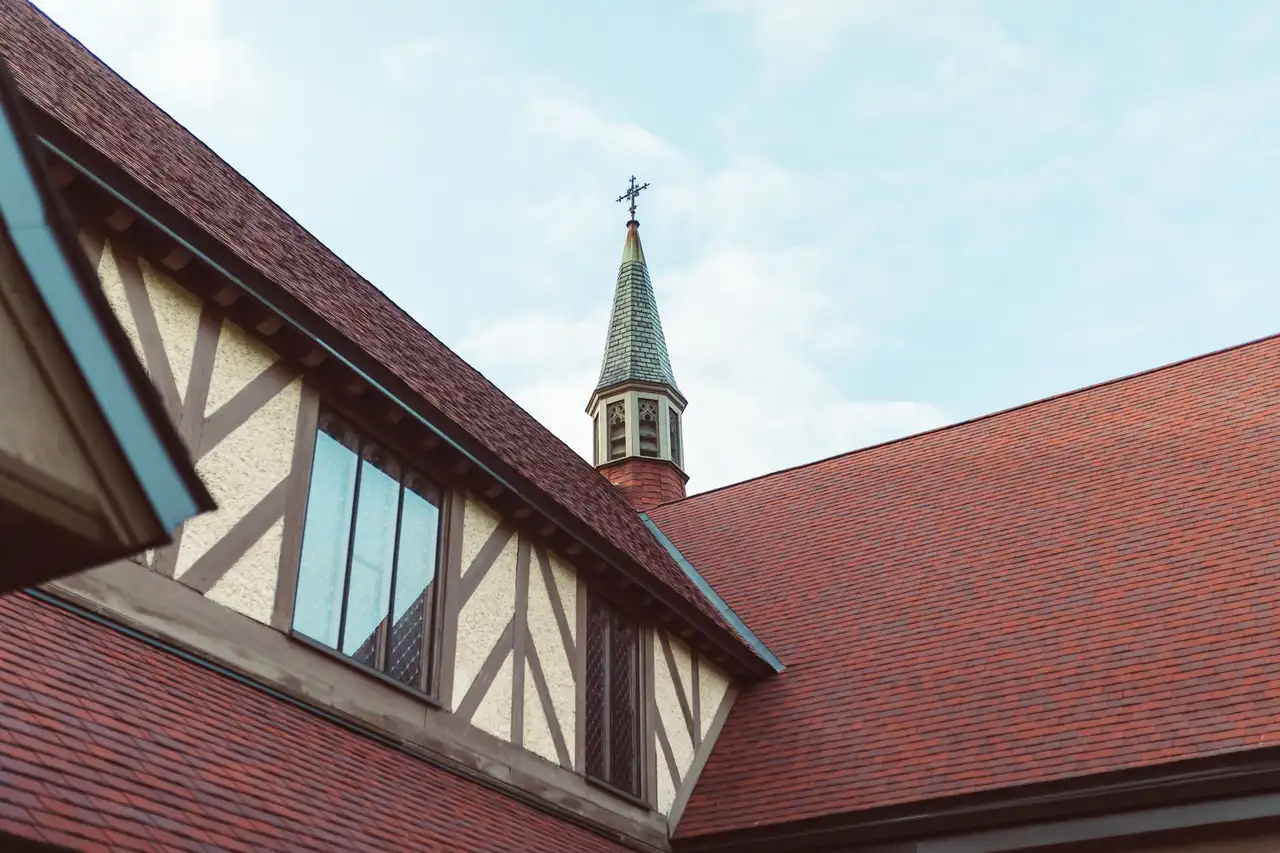
The roof was 22 years old, past the Houston range, with shaded slopes growing algae under the live oaks. We installed a new architectural shingle system with new flashing and balanced ventilation.
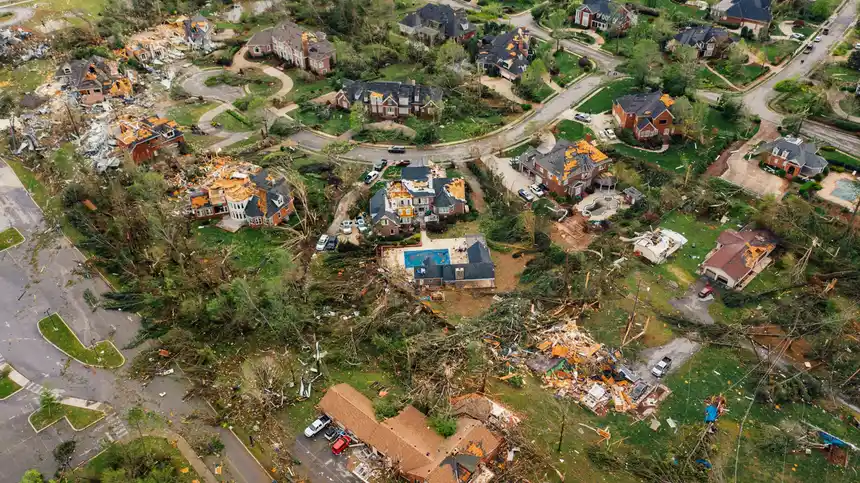
Hail had bruised the west slope and knocked granules loose. We documented the damage for the insurance claim and installed a new roof, with Class 4 shingles as the upgrade the homeowner chose.
Water tracked under the shingle edge in wind-driven rain. We installed a new system with membrane at the eaves and valleys and new flashing throughout.
Shingles are the Houston roof, but the details change by neighbourhood. In the Heights and Montrose, shade and algae are the story. In Meyerland and Sharpstown, low-slope ranches are the story. In Kingwood, pine needles pack the valleys. In Spring Branch, 1950s and 1960s ranches are on their third or fourth roof. We scope each roof to the house, not to a template. If hail has already damaged the roof, the roof insurance claims page explains how a claim works in Texas. Call (936) 873-7200 to talk through your shingles.
Shaded bungalow slopes grow algae and moss under live oaks. The flat addition behind the pitched roof is inspected too.
A century on one block, from 1920s bungalows to 2010s townhomes. Ventilation failure and flat additions are the recurring problems.
Low-slope ranch shingles shed water slowly and are vulnerable to wind-driven rain under the edge.
Pine needles pile in valleys, behind chimneys, and in gutters, holding water against shingles and the roof edge.
1950s and 1960s ranches on their third or fourth roof, often renovated as a bundle with plumbing and electrical.
Shingles age faster in Houston than in cooler climates. Ventilation is what slows it down.
Hail season peaks in May. We document hail damage with photos so the claim matches the roof.
A 22-year-old roof with curling shingles, granule loss, and algae on the shaded slopes under live oaks.
We installed a new architectural shingle system with new flashing and balanced ventilation. The algae streaks went with the old roof.
Maintenance: A yearly check of valleys and gutters, and a soft wash when algae returns, keeps a shaded roof clean.
Hail-bruised shingles on the west slope, with granule loss across the roof and an adjuster who had flagged the damage.
We documented the damage, installed a new roof, and the homeowner chose Class 4 impact-resistant shingles for the upgrade.
Maintenance: Schedule a post-storm inspection after any hail event. Hail bruising is hard to see from the ground.
Water tracking under the shingle edge in wind-driven rain on a low-slope ranch roof.
A new system with membrane at the eaves and valleys and new flashing throughout, so wind-driven rain stays outside.
Maintenance: Keep valleys and gutters clear. On a low-slope roof, debris holds water against the shingles.
Most shingle problems in Houston trace back to age, heat, hail, and shade. Here is what we fix.
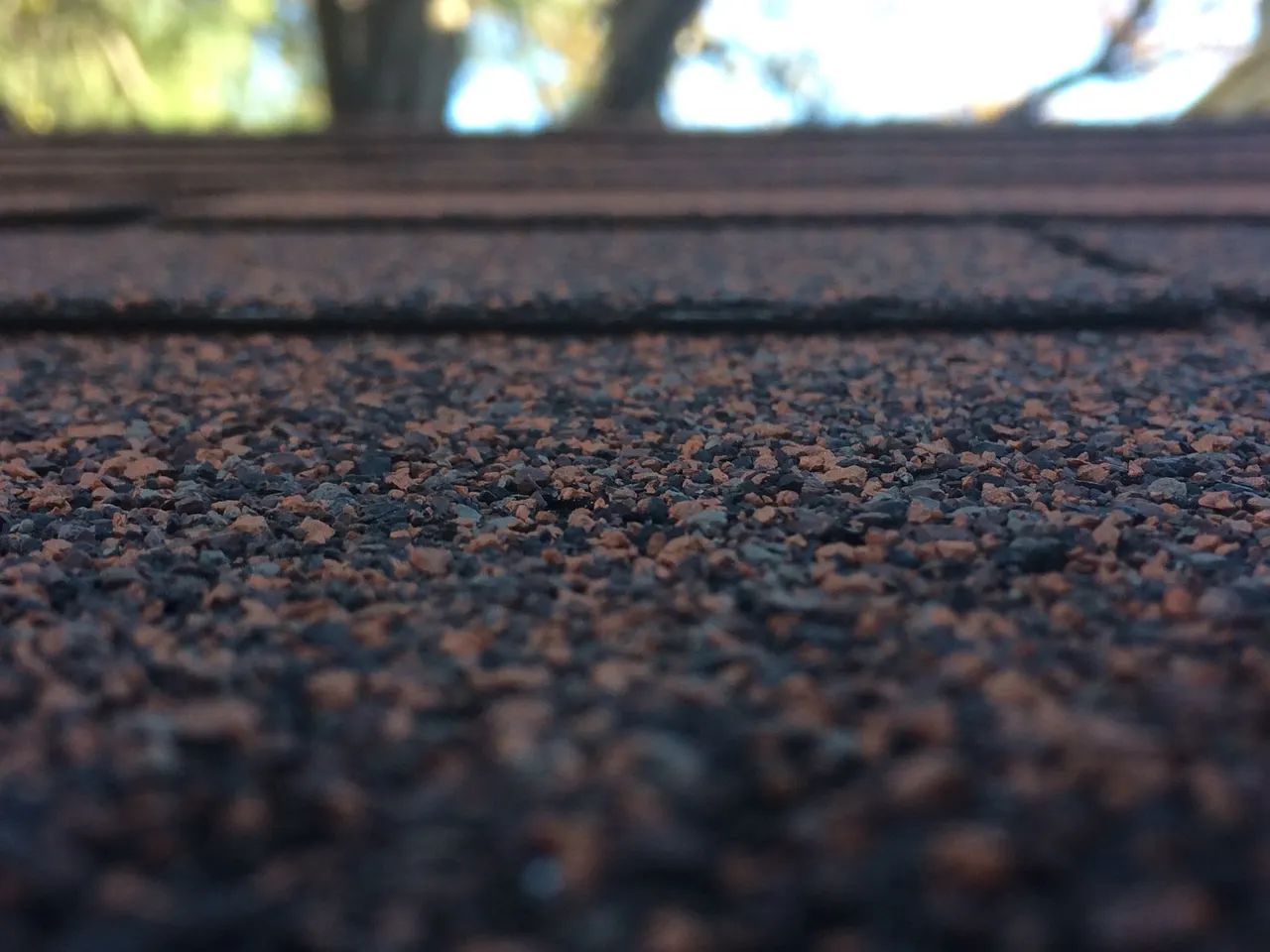
Heat and UV bake shingles brittle and curl the edges. Curling shingles let water under the layers, and the damage spreads with each storm. We inspect and say plainly whether repair or replacement is the honest answer.
Granules protect the shingle from UV. Once they are gone, the shingle ages fast. We photograph granule loss so you can see what we see.
Gloeocapsa magma grows on shaded, damp slopes and holds moisture against the shingle. We clean with a soft wash and say what the roof needs to stay clean.
Hail bruises shingles and knocks granules loose without tearing them. We document hail damage with photos for your insurance claim.
Our crews install shingle roofs across Harris County every week, from 1920s bungalows in the Heights to 1960s ranches in Spring Branch to new builds in Cypress. Every install is photographed at the deck and flashing stages, and the permit inspection is part of the job. That is what a homeowner can actually check: the photos, the permit, and the written scope.
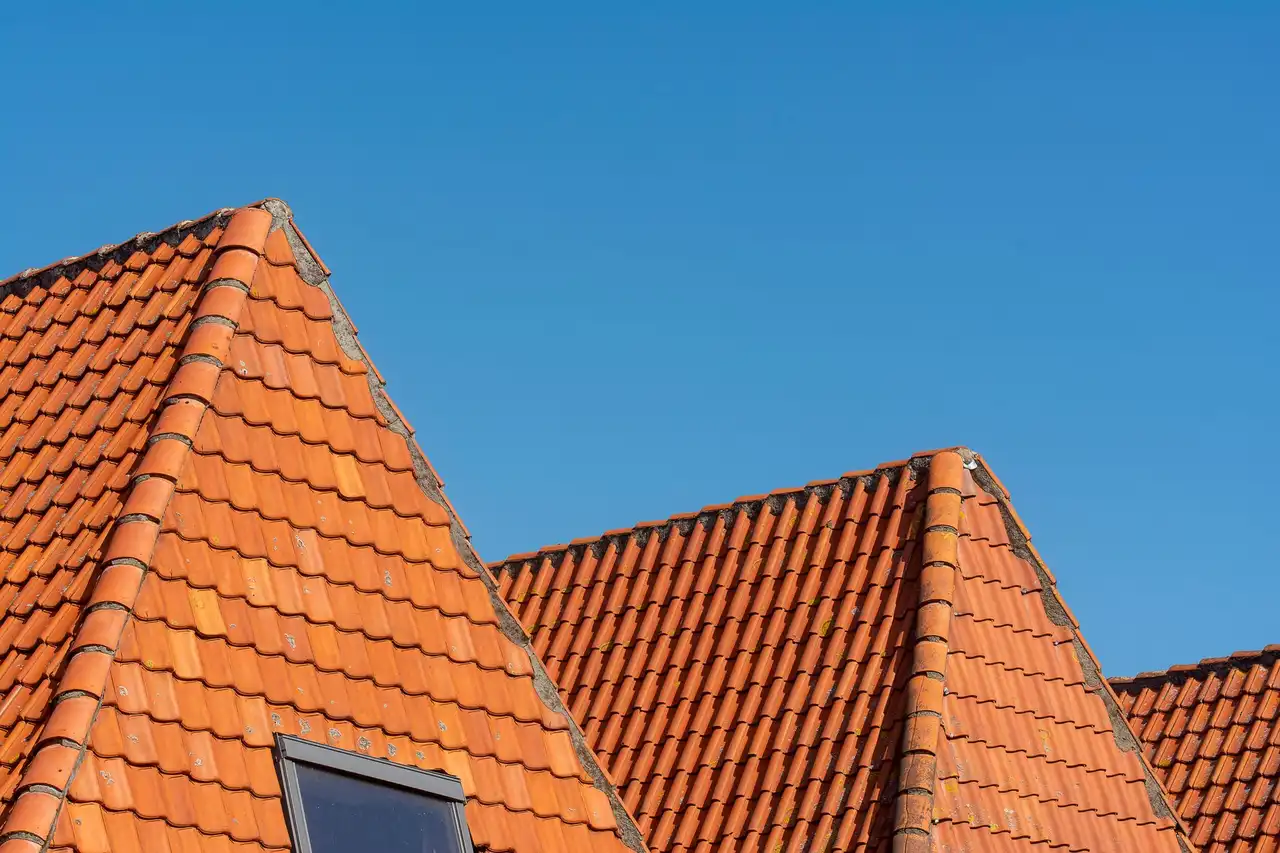
“From our first call with Thomas Family Roofing, it was clear they were focused on giving us a quality new roof and making the whole roofing process easy to understand.”
“I had storm damage on my roof, and after the first insurance adjuster met with another roofing company, the claim was not approved for roof repair. My niece suggested I call Johnathan, and he came out, met with a different adjuster, and helped get the roof replacement approved.”
“We contacted Thomas Family Roofing for an estimate on repairs for our metal roof in Houston. Luis came out, inspected the roof in person, and explained clearly what needed attention, including a few details about flashing and panel areas that other roofers had missed.”
Rating 4.9 out of 5 from 46 Google reviews (42 five-star, 4 four-star). A further 41 reviews are visible only as an aggregate on Google. See all reviews on Google.
Architectural shingles last roughly 18 to 25 years in Houston, against about 30 years nationally, because heat, UV, and humidity wear the binder down. A roof installed in 2005 is at or past the end of that range now.
Architectural shingles are thicker and dimensional, and the standard on most Houston homes. 3-tab shingles are flatter and older, and survive mainly on older rental stock. Angi Houston, updated 1 August 2026, puts asphalt shingle replacement at $4 to $6 per sq ft of roof surface. These are published market ranges, not this business's prices.
No. No Houston hail or Class 4 mandate was found. Class 4 shingles are a product choice that resists hail bruising better and can carry insurance-premium implications. Ask your insurer before you choose.
Usually Gloeocapsa magma, an algae that grows on shaded, damp slopes under live oaks. It holds moisture against the shingle. A soft wash removes it, and a yearly check keeps it from coming back fast.
Not seeing your question? Call (936) 873-7200 and talk it through with the local team.
Ask the local team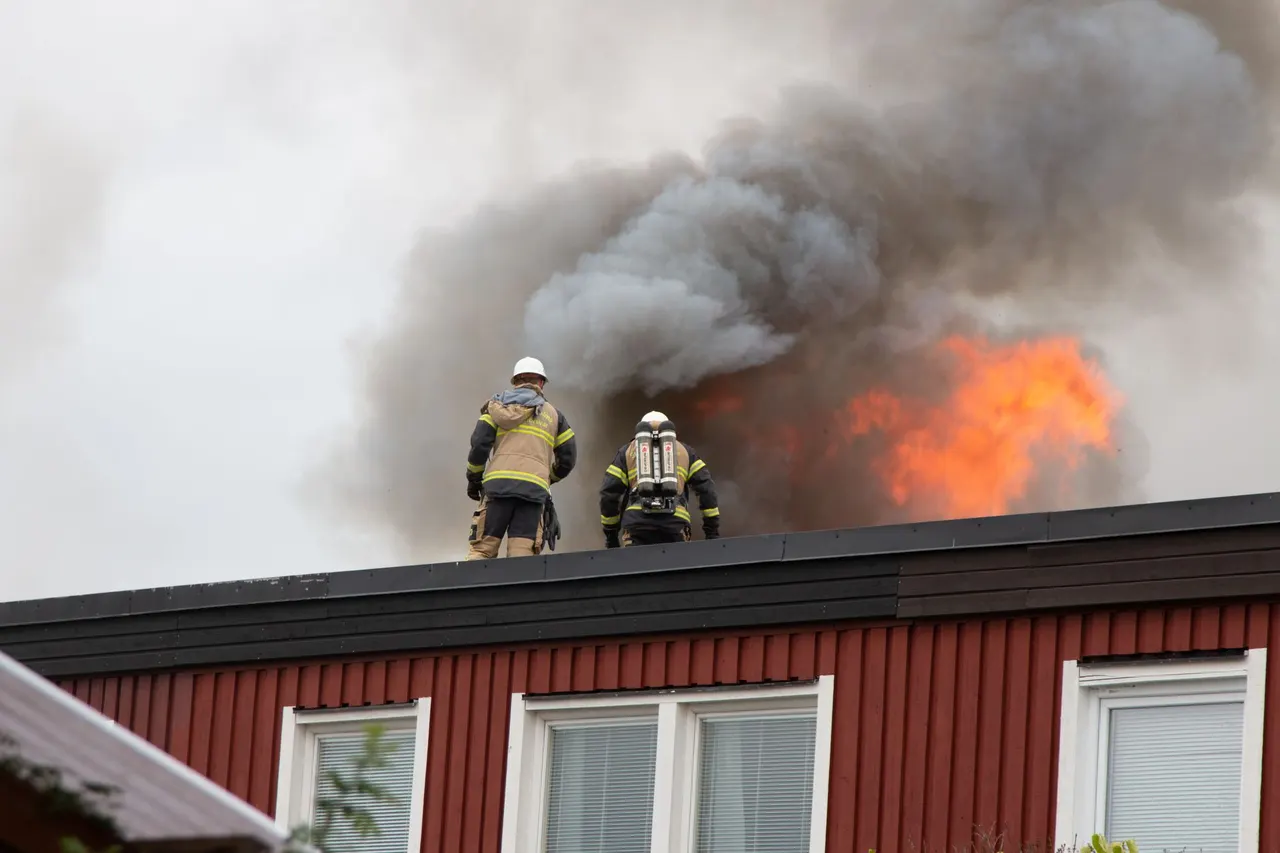
A new roof in Houston is a full tear-off to the deck, with new underlayment, flashing, and ventilation.
View service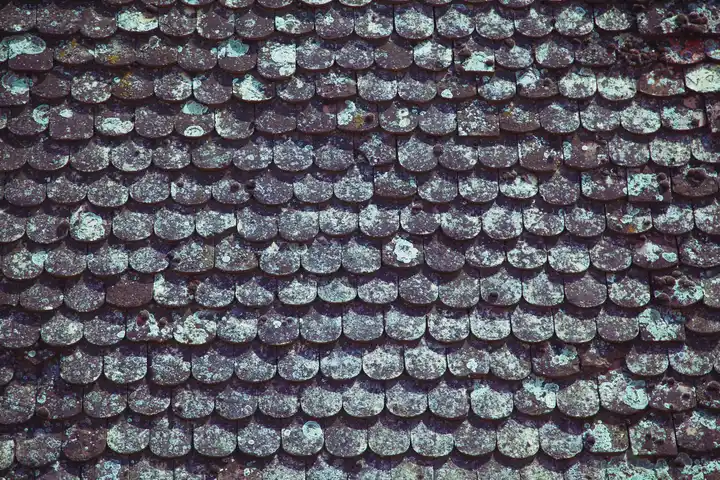
When your existing roof is at the end of its life, replacement is the same tear-off and install process, scoped to your home.
View service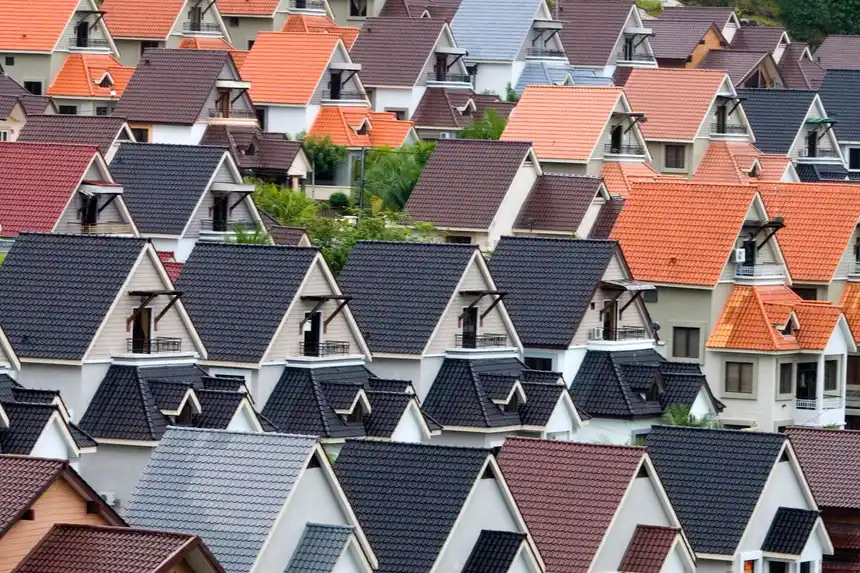
A photo and video report, a written scope, and a straight answer on whether your shingles have life left.
View service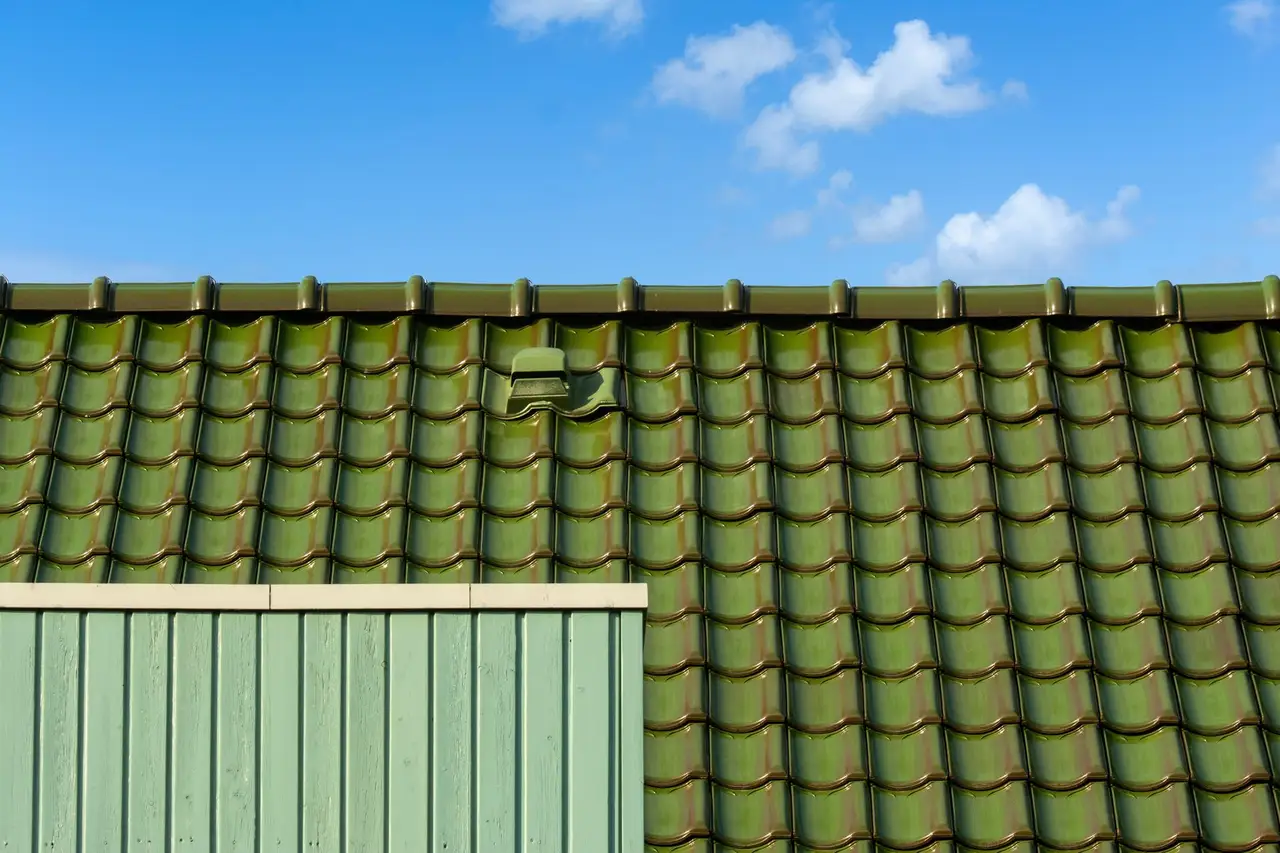
Standing seam and stone-coated steel are the premium pitched alternative to shingles in Houston.
View service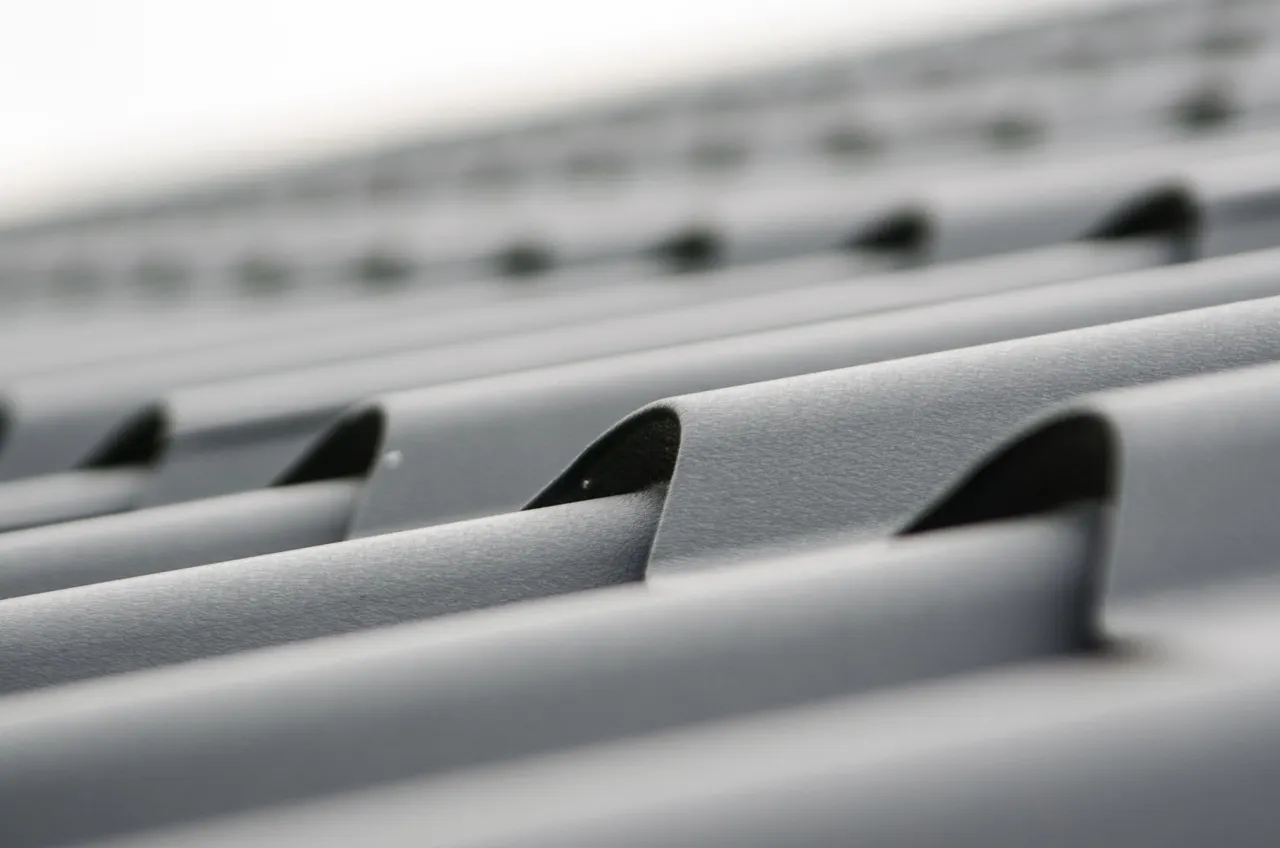
Call (936) 873-7200 and tell us what you are seeing. We will talk through what is happening, what an inspection covers, and the next step. Or send a service request with the form and we will call you back.