Focused arrival windows
Useful updates and clear arrival timing.
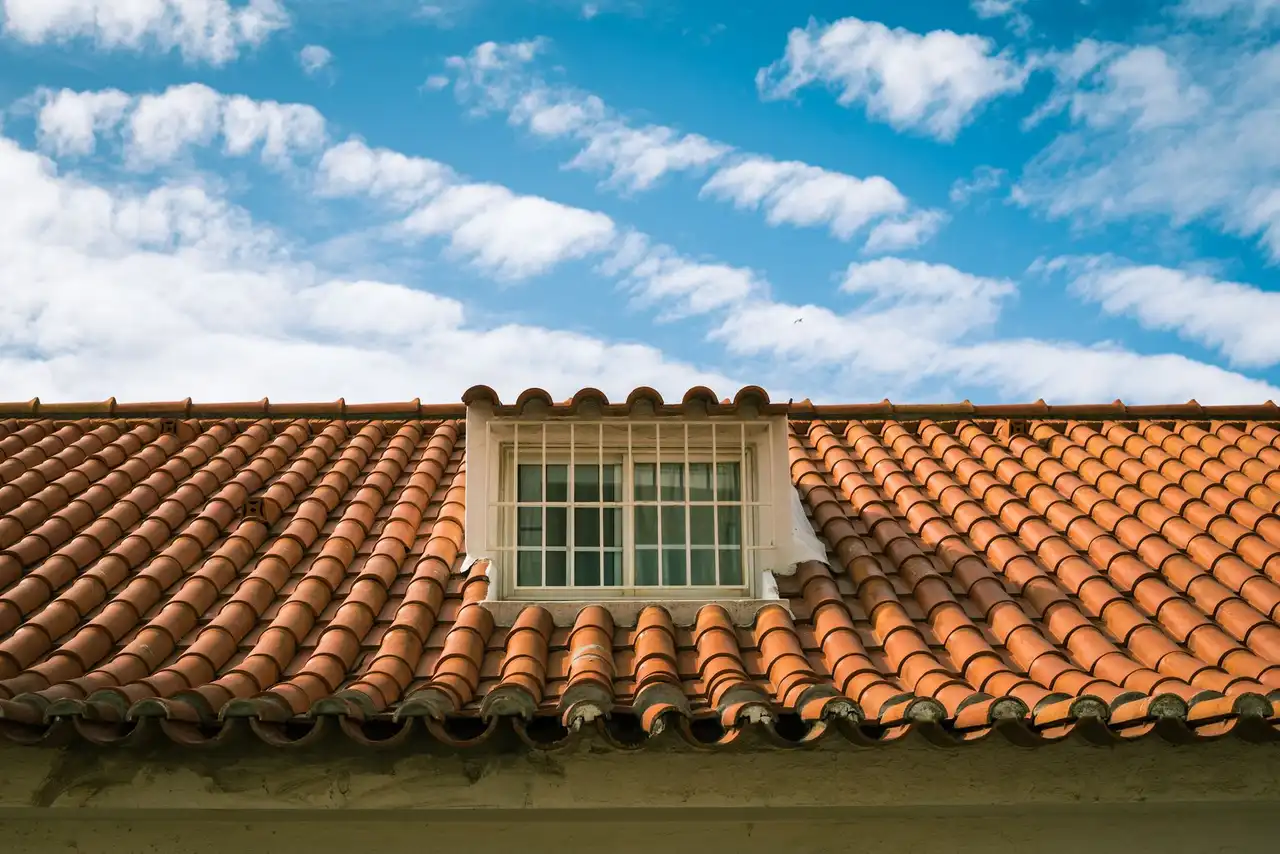
Most Houston roof repairs are small jobs with one big risk: patching the stain instead of the source. Water enters at a flashing point, a nail pop or a cracked shingle, then travels along the deck and shows up metres away as a ceiling stain. We trace the entry point first, fix the source, and water-test the repair before we leave.
Useful updates and clear arrival timing.
Review the approach and price before deciding.
Equipped vehicles and respectful cleanup.
Neighbors serving neighbors with follow-through.
Every repair starts with an inspection and ends with a clean yard. Here is what a standard repair includes.
We walk the roof, check the attic for water stains, and look at the deck where we can see it. You get photos of every problem area and a plain explanation of what is wrong.
Damaged shingles are removed, the underlayment beneath is checked, and matching shingles are installed with the correct nailing pattern.
Leaky chimneys, skylights and wall intersections are the usual culprits. We repair or replace flashing and seal joints so water flows away from penetrations.
Rotted decking compromises the whole roof. Damaged sections are cut out and replaced with new plywood or OSB, with new underlayment before shingling over it.
Once the source is found, we seal it with the right materials for that detail, whether that is roofing cement, flashing or new underlayment, then water-test it.
We sweep the yard with a magnetic sweeper and haul off old materials, then walk you through the finished work.
Share what is happening and receive a clear next step from the local team.
Roof repair in Houston is the process of fixing damage to your roof's shingles, flashing, underlayment or decking before it spreads into the structure below.
Houston roofs take a beating. Hail season runs through spring and peaks in May. Hurricane season runs 1 June to 30 November. Year-round UV curls shingles, and humidity keeps shaded slopes damp enough for algae and moss. A missing shingle can let in enough water to rot decking within weeks, so the honest advice is to get a leak looked at while it is still small.
The other Houston fact that shapes every repair is the roof's age. Architectural shingles last roughly 18–25 years here. A roof at 15 years with isolated damage is usually a repair. A roof at 22 years with damage across whole slopes is usually a replacement conversation, and we will show you the photos that make the case either way.
You call (936) 873-7200 and describe what you are seeing: a stain, missing shingles, granules in the gutter, or damage after a storm.
We walk the roof, check the attic for water stains, and photograph every problem area. You see the photos before we quote anything.
You get a written scope showing the repair, the materials and the price. If we find hidden damage, we show you and agree it first.
The crew repairs the source, not just the stain: shingles, flashing, decking or underlayment, as the scope says.
We water-test leak repairs where the leak was the reason for the call, sweep the yard with a magnetic sweeper, and walk the finished work with you.

Measures water content in decking and insulation, confirming a leak is fixed and finding moisture that has not stained the ceiling yet.
The roof is walked slope by slope, checking shingles, flashing, valleys, penetrations and the ridge, with photos of everything found.
Removes damaged shingles without damaging the surrounding roof, so repairs blend in.
Drives nails to the depth and angle the shingle maker specifies. Proper nailing is what holds shingles in Houston wind.
New step flashing woven into the shingles at walls and chimneys, with counter-flashing sealed into the masonry.
New underlayment under any repaired section, so a patched shingle is not sitting on failed felt.
New pipe boots at penetrations, because a cracked boot is one of the most common small leaks in Houston.
Drip edge repaired or added at eaves and rakes where wind-driven rain works under the shingle edge.
The yard is swept twice for nails before we leave.
After a leak repair, water is run over the repaired area to confirm the fix holds. If it leaks, we keep working until it does not.
We inspect for hail bruises, cracked shingle mats and dented flashing, and document everything with photos you can hand to your adjuster.
A stain means water is already inside the attic. We trace the entry point, which is often metres from the stain, and fix the source.
We inspect the roof, check the decking and underlayment, and give you an honest assessment. If a repair buys you years, we say so.
We remove the limb, cover the damaged area, and schedule the permanent repair. The home stays dry while the permanent work is scoped.
Houston's heat, humidity and storm seasons shape how we approach every repair. Summer UV degrades shingle granules faster than in cooler climates, hurricane season runs June through November, and winter brings occasional freezes that can crack flashing and open gaps.
Many homes are 80 to 100 years old with original decking. We often find rot that needs replacing along with the shingle repair, and flat rear additions hide a second roof.
Coastal wind tears up ridge vents and shingles. Wind-rated materials and reinforced fastening patterns matter more here than in north Houston.
Low-sloped ranch shingles shed water slowly and are vulnerable to wind-driven rain under the shingle edge. Hail bruising on a low slope is harder to see from the ground.
Newer homes often have builder-grade shingles that fail early. We upgrade to architectural shingles when repairing, and say so in the scope.
Pine needles pile in valleys, behind chimneys and in gutters, holding water against shingles and the roof edge until decking rots along the eaves.
Accelerates shingle deterioration and attic moisture. We check ridge and soffit ventilation on every repair, because a hot, damp attic rots decking from inside.
Bruise shingles and crack their fibreglass mat. We inspect for hail damage after every major spring storm and document it for your claim file.
Not listed? Bellaire, West University Place, Humble and Jersey Village are separate cities, not Houston neighbourhoods, and are not listed here. Call (936) 873-7200 and we will confirm coverage for your address.
Granules in the gutters after a spring hailstorm, with bruised shingles across the back slope but no leak yet.
Damaged shingles were replaced, the ridge was sealed, and the repair was water-tested. The rest of the roof's life was kept instead of torn off.
Afterwards: Check gutters for granules after every spring storm. Granule loss is the earliest sign of hail damage.
A ceiling stain near the chimney after every heavy rain, from flashing that had rusted through and let water run down into the attic.
The old flashing was removed and new step flashing and counter-flashing installed, with the shingles around the chimney replaced. The stain never returned.
Afterwards: Flashing is the first thing to check on a recurring leak. Patching the stain never fixes the flashing.
Wind lifted the ridge vent and tore off shingles, and rain was pouring into the attic.
The roof was covered to stop the water, then the ridge vent was replaced, new shingles installed and the ridge resealed the next day.
Afterwards: After a wind event, look at the ridge line from the ground. A lifted ridge is visible long before the ceiling stain appears.
Houston roofs face hail, wind, heat and humidity year-round. These are the problems we see most often, and how we solve them.
A stain means water is already inside the attic, where it can cause mould and wood rot. We trace the leak to its source with a moisture meter, then repair the flashing, shingles or decking causing it.
Missing shingles expose underlayment to UV and rain. Curled shingles signal the end of their life and often come before leaks. We replace missing shingles with matching materials, and tell you straight if curling is widespread enough that replacement is the better call.
Flashing failures are among the most common causes of roof leaks. Water seeps behind the flashing, rots the decking and stains ceilings near the chimney. We remove old flashing and install new step and counter-flashing, then water-test it.
When gutters clog, water backs up under the shingles and rots the fascia board. We clean the gutters, repair or replace rotted fascia, and re-pitch gutters so water flows freely.
Texas has no state roofing licence, so there is no licence number to show you. What we can show you is a real address, real Google reviews, photos of your own roof, and a written scope before any work starts.
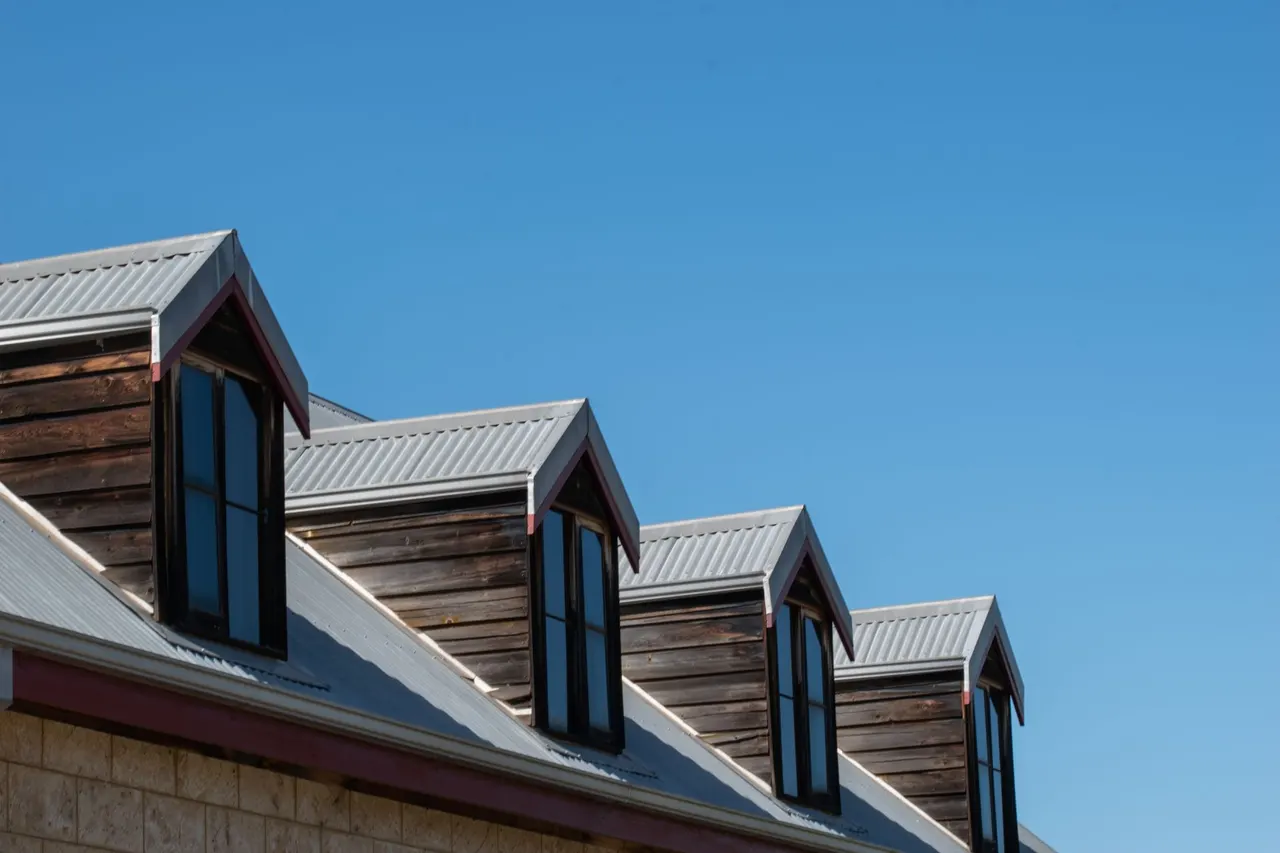
Our team repairs roofs across Harris County, from 1920s bungalows in the Heights to new builds in Cypress. Houston roofs fail in Houston-specific ways, and the inspection should know them.

Excerpts from our Google reviews, shown with the reviewer’s name, star rating and the date Google shows. Our full rating is 4.9 out of 5 across 46 Google reviews. See all reviews on Google.
★★★★★
We contacted Thomas Family Roofing for an estimate on repairs for our metal roof in Houston. Luis came out, inspected the roof in person, and explained clearly what needed attention, including a few details about flashing and panel areas that other roofers had missed.
★★★★★
I hired Thomas Family Roofing for a flat roof repair after hearing good things from friends and reading strong reviews. The whole experience was smooth and professional from start to finish. They also cleaned out the roof drains since they were clogged...
★★★★★
They replaced an old cracked skylight on the roof of my two-story home, and i was very pleased with the whole roofing process. From the first call back to the roof inspection, estimate, and final installation, everything was handled on time...
Published market ranges, not this business's prices: Angi Houston, updated 9 Jul 2026, puts the average roof repair at $1,002, with most homeowners paying $485–$1,535. Leak repairs in the same source run $360–$1,550. Your written scope will price your roof, not a table.
Yes, in most cases. If the damage is isolated to a few shingles, a flashing point or a small section of decking, a repair is the smarter choice. We only recommend replacement when the roof is near the end of its life — roughly 18–25 years for architectural shingles in Houston — or damage covers a large share of the surface. We show you photos and explain both options.
Ask for a written scope, photos of the roof and the deck, and a real address you can visit. Texas has no state roofing licence, so a licence number is not something any Houston roofer can show you — beware any company that claims one. Check Google reviews from the last six months, and ask who actually does the work.
Call (936) 873-7200 and describe what you are seeing. Move valuables out from under the stain, put a bucket under the drip, and do not climb on the roof yourself — wet shingles are slippery and a soft deck can give way. We inspect, trace the entry point, and cover the roof if the leak is active.
Not seeing your question? Call the local team and ask it directly.
Ask the local team
Full tear-off and replacement when repair no longer makes sense, with the deck inspected first.
View service
We trace the entry point, fix the source and water-test the repair before we leave.
View service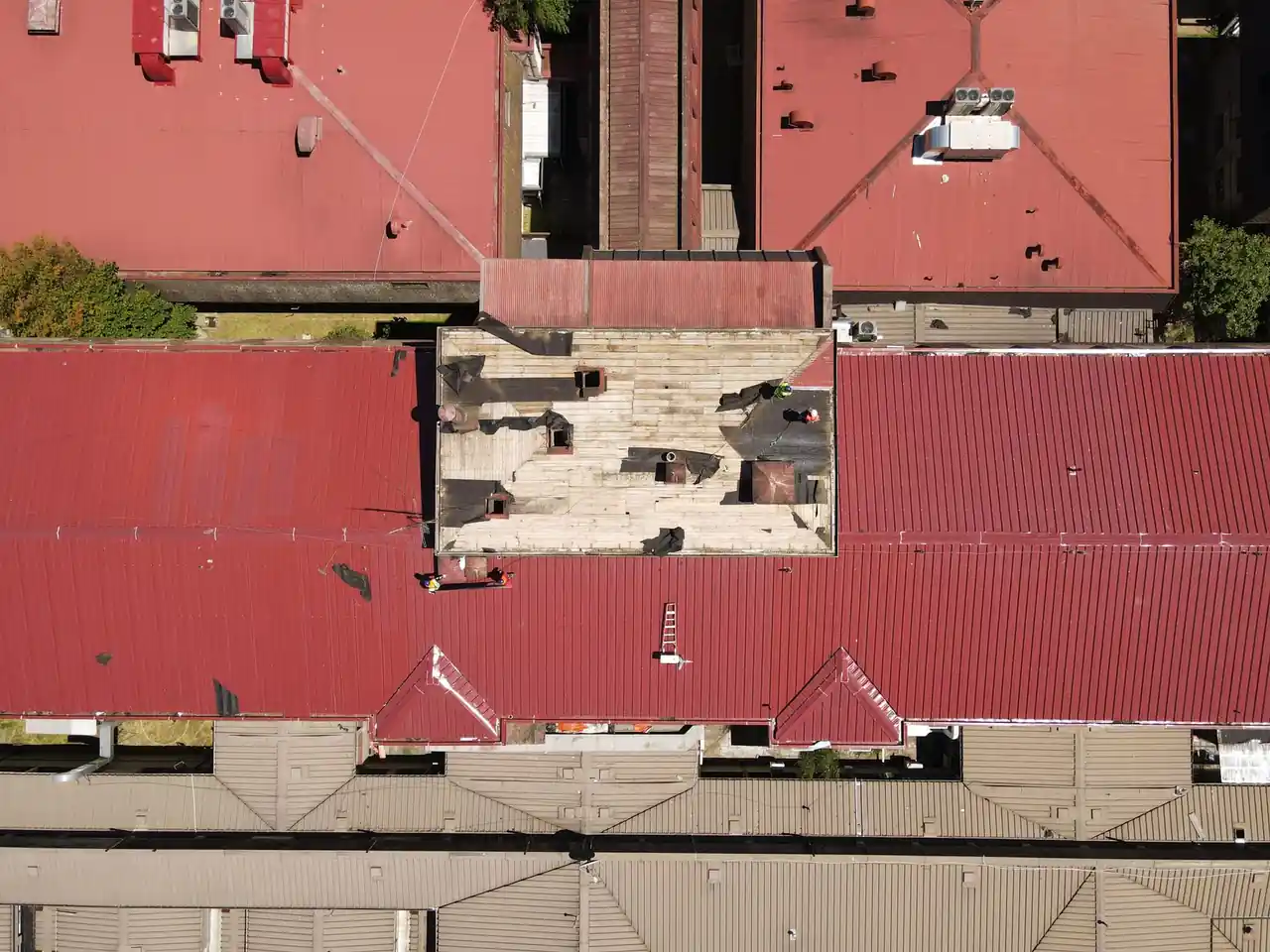
A full walk of the roof and attic with photos, so you can see what is wrong before you decide anything.
View service
ACV vs RCV, deductibles, adjuster meetings and denials, explained in plain language.
View service
Call (936) 873-7200 and tell us what you are seeing. We will arrange an inspection, show you photos of the roof, and put the scope in writing before any work starts. Phone is the only way to reach us — there is no email address published for this business.