Focused arrival windows
Useful updates and clear arrival timing.
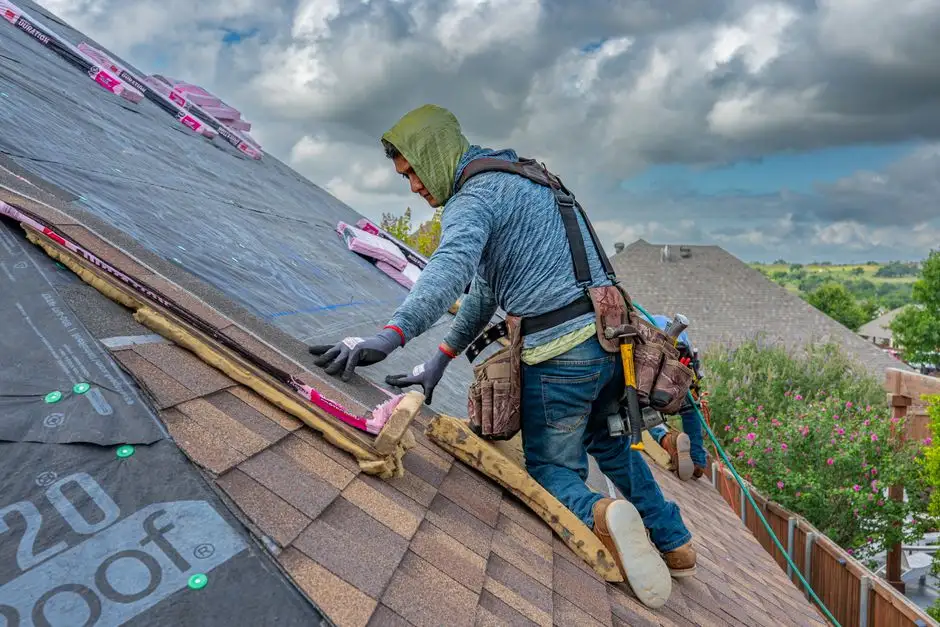
Roof replacement in Houston is a different job from roof replacement anywhere else. Gulf heat and humidity shorten architectural shingles to roughly 18–25 years, and a roof that survived Harvey, the May 2024 derecho and Hurricane Beryl may still be carrying damage you cannot see from the ground. We tear off to the deck, show you what is underneath, and put the whole scope in writing.
Useful updates and clear arrival timing.
Review the approach and price before deciding.
Equipped vehicles and respectful cleanup.
Neighbors serving neighbors with follow-through.
A replacement is not a re-shingle. It is a new roof system, from the deck up, with every layer inspected before it is covered.
We remove every layer of old shingles and underlayment down to the bare deck, so nothing rotten or soft is hidden under new material.
Every sheet of decking is walked and probed. Soft or rotted sections are cut out and replaced before any new underlayment goes down.
New underlayment across the whole field, with drip edge at the eaves and rakes so wind-driven rain cannot work under the shingle edge.
Step flashing, counter-flashing, pipe boots and valley metal are replaced, not reused. Most Houston leaks start at flashing that was left in place.
Ridge and soffit ventilation is checked against the attic. Houston attics run 140–160°F without balanced airflow, and heat cooks shingles from below.
A City of Houston Residential Roofing Permit is required for a re-roof inside the city. We handle the permit paperwork, keep it on site, and walk the finished roof with you.
Share what is happening and receive a clear next step from the local team.
A Houston roof replacement is a tear-off, a deck inspection, a permit, and a new system — in that order. Skip any step and the new roof inherits the old roof's problems.
Houston's climate is what sets the schedule. Architectural shingles last roughly 18–25 years here against about 30 years nationally, because heat, UV and humidity wear the binder and strip granules. A roof installed in the early 2000s is now at or past that window, and the 1990s–2010s townhome cohort across the inner loop is in its first or second replacement window at the same time.
The permit is not optional inside the City of Houston. A Residential Roofing Permit is required for a re-roof or overlay, with plan review and inspection, a $33.56 admin fee, about 10 business days' processing and a 6-month validity. Roof covering of 100 sq ft or less in aggregate is exempt. In unincorporated Harris County there is no residential roofing permit. In Bellaire, West University Place and the Memorial Villages, the permit authority is that city, not Houston.
You call (936) 873-7200 and describe the roof. We inspect the roof and the attic, photograph what we find, and check the deck where we can see it.
You get a written scope: tear-off, decking allowance, underlayment, flashing, ventilation and the permit. No verbal ballparks.
Where the City of Houston requires a Residential Roofing Permit, it is filed before work starts and kept on site until final approval.
The old roof comes off to the deck. Soft decking is replaced, the deck is photographed, and only then does new underlayment go down.
Shingles, flashing and ridge are installed, the yard is swept with a magnetic sweeper, and we walk the finished roof with you.
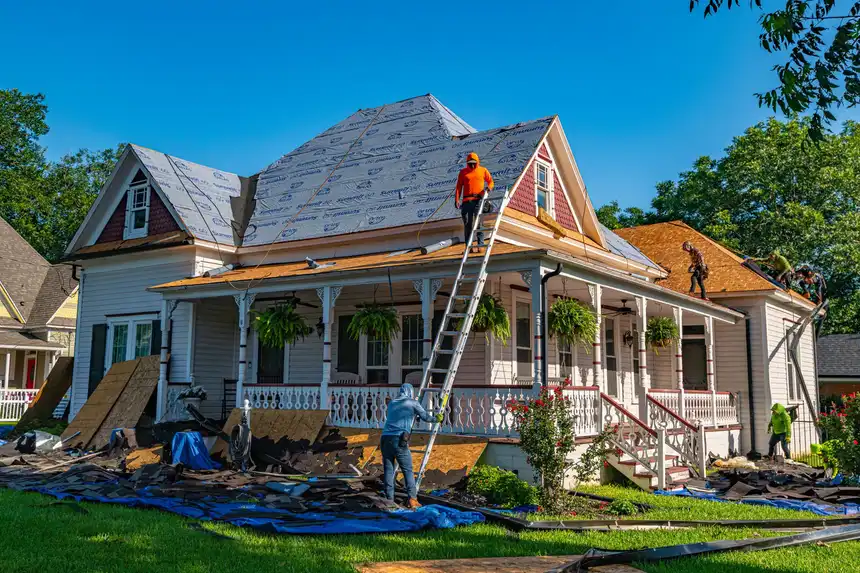
Old shingles and underlayment are stripped to the deck and hauled off, with tarps protecting landscaping and the yard.
Decking is walked and probed for soft spots, and a moisture meter confirms where water has already reached the wood.
New underlayment across the whole field, lapped to shed water, before any shingle goes down.
Metal drip edge at eaves and rakes, so wind-driven rain cannot work under the shingle edge.
Flashing woven into the shingles at walls and chimneys, with counter-flashing sealed into the masonry.
New pipe boots at every penetration, not reused boots that crack within a year.
Ridge ventilation balanced with soffit intake, so the attic can breathe in Houston heat.
Shingles fastened to the pattern the shingle maker specifies for high-wind zones, with nails driven flush, not overdriven.
The yard is swept for nails twice before we leave, to protect family, pets and tyres.
Repairs around penetrations are water-tested where a leak was the reason for the job, so the fix is proven, not assumed.
Architectural shingles last roughly 18–25 years here. If your roof is past 20 and granules are washing into the gutters, a repair buys less and less time.
When the same slope needs patching every storm season, the shingles have reached the end of their life. We show you the photos and the pattern, then compare repair against replacement.
A spongy feel when walking the roof, or a sagging line along the ridge, means the decking is failing. A new shingle layer over a soft deck is money spent twice.
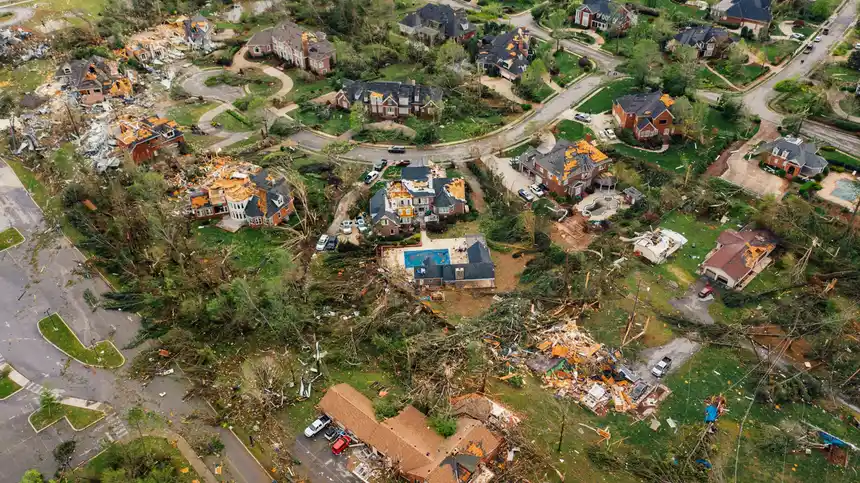
After the May 2024 derecho or Hurricane Beryl, some roofs lost shingles across whole slopes. When damage is widespread, replacement is usually the honest answer, and the claim file should say so.
Houston is humid subtropical, Climate Zone 2A, with about 51.8 inches of rain a year and summer rooftop temperatures that routinely pass 160°F on flat sections. That climate, plus the storm sequence every homeowner remembers, is what a replacement has to be built for.
1890s–1930s bungalows often carry two roofs at once: pitched shingles on the main house and a flat membrane on a rear addition. Both ages matter, and the flat addition usually fails first.
A century of housing on one block, from 1920s bungalows to 2010s townhomes. The roofing question is which decade the house is, and whether a historic-district approval applies to the plat.
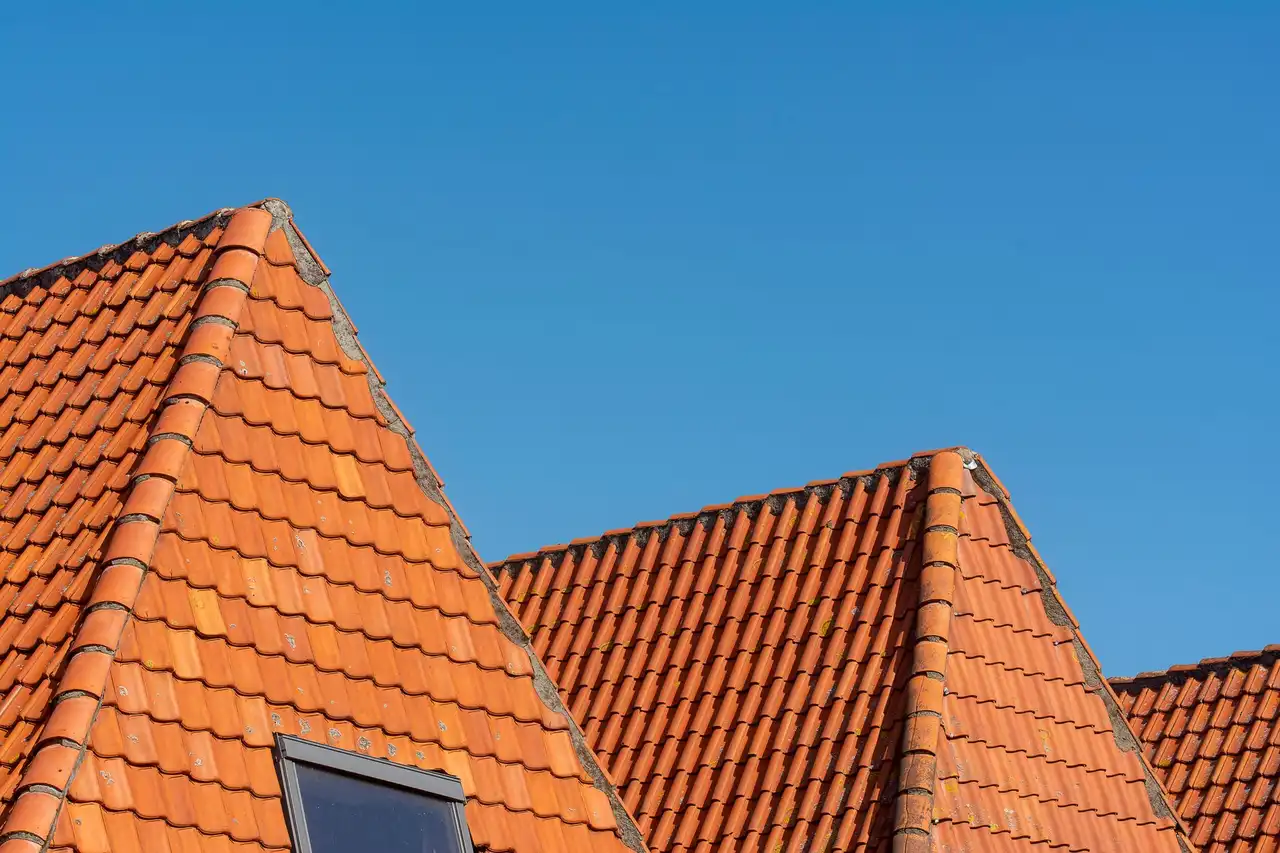
Slate, clay tile, copper and standing-seam metal sit beside architectural shingles here. Tile often outlives its underlayment by decades, so the job is an underlayment and flashing job, not a tile job.
Harvey's damage here was duration, not just rain: Addicks and Barker releases kept water standing for days. Underlayment and decking absorbed moisture that did not show for months.
Low-sloped 1950s–60s ranches that flooded in 2015, 2016 and 2017, beside elevated post-Harvey rebuilds. A replacement on an elevated home is a different access and flashing job.
Tall pines drop needles into valleys and gutters all year, holding water against shingles. Shade keeps roofs damp and grows algae. Beryl tree damage was among the worst in the Houston area.
Coastal wind is the differentiator: Ike gusted over 100 mph here and damaged the roof of NASA Johnson Space Center Mission Control. Wind uplift matters more here than in north Houston.
Not listed? Bellaire, West University Place, Humble and Jersey Village are separate cities, not Houston neighbourhoods, and are not listed here. Call (936) 873-7200 and we will confirm coverage for your address.
Granules in the gutters, curled edges and bare patches across the back slope of a 20-year-old shingle roof.
A full tear-off to the deck, soft decking replaced, new underlayment, flashing and architectural shingles, with the permit on file.
Afterwards: Check the gutters for granules each spring, and look at the roof after the May hail season.
Shingles still in place after a wind event, but the deck underneath is soft where water worked in around the flashing.
Tear-off revealed the soft decking, which was replaced before new underlayment and shingles went down, so the new roof does not inherit the old leak.
Afterwards: Ask to see deck photos on any replacement. A new roof over a soft deck is a new roof with an old problem.
A Heights bungalow with a pitched shingle main roof and a flat membrane addition that ponded and rotted its deck unseen.
The membrane was torn off, the deck replaced, and a ponding-rated two-ply modified bitumen cap sheet installed with tapered insulation to re-slope the deck.
Afterwards: Flat sections need a different inspection from pitched ones. Ponding is the warning sign, not the stain.
Replacement is the answer when the roof system itself is finished, not when one detail has failed. These are the patterns where repair stops making sense.
When granules wash into the gutters across whole slopes, the shingles have lost their UV protection. Patching a few shingles does not restore the rest.
Heat and UV curl shingle edges and crack the mat. Once curling is widespread, wind can lift whole courses, and leaks follow the lifted edges.
Decking that flexes underfoot or shows rot at the eaves cannot hold nails. New shingles nailed into soft decking will not stay put in the next wind event.
A leak at the chimney one year, at a valley the next, and at a vent the year after means the system is failing, not one detail. Replacement resets the whole system.
Texas has no state roofing licence, so there is no licence number to show you. What we can show you is a real address, real Google reviews, photos of your own roof, and a written scope before any work starts.
Our base is 5507 Lyons Ave in Fifth Ward, and our work runs across the neighbourhoods in the list below. Houston roofs fail in Houston-specific ways, and the crew that inspects yours should know them.
Excerpts from our Google reviews, shown with the reviewer’s name, star rating and the date Google shows. Our full rating is 4.9 out of 5 across 46 Google reviews. See all reviews on Google.
★★★★★
From our first call with Thomas Family Roofing, it was clear they were focused on giving us a quality new roof and making the whole roofing process easy to understand. Miguel explained the scope of the roof replacement, the materials and shingle options...
★★★★☆
I had storm damage on my roof, and after the first insurance adjuster met with another roofing company, the claim was not approved for roof repair. My niece suggested i call Johnathan, and he came out, met with a different adjuster, and helped get the roof replacement approved.
★★★★★
We contacted Thomas Family Roofing for an estimate on repairs for our metal roof in Houston. Luis came out, inspected the roof in person, and explained clearly what needed attention, including a few details about flashing and panel areas that other roofers had missed.
Published market ranges, not this business's prices: Angi Houston, updated 1 Aug 2026, puts a full roof replacement at an average of $9,752, with most projects $6,712–$13,123, at $4–$11 per sq ft of roof surface. Roof area is not house area — a 2,000 sq ft one-storey house at a 6/12 pitch has roughly 2,235–2,240 sq ft of roof. Your written scope will price your roof, not a table.
Inside the City of Houston, yes: a Residential Roofing Permit is required for a re-roof or overlay, with plan review and inspection, a $33.56 admin fee, about 10 business days' processing and a 6-month validity. Roof covering of 100 sq ft or less in aggregate is exempt. In unincorporated Harris County there is no residential roofing permit, and in Bellaire, West University Place and the Memorial Villages the permit authority is that city.
Architectural shingles last roughly 18–25 years in Houston, against about 30 years nationally, because heat, UV and humidity wear the binder and strip granules. Attics run 140–160°F without adequate ventilation, which shortens life further. A roof installed in the early 2000s is now at or past that window.
No. Texas has no state roofing licence. The Texas Department of Licensing and Regulation does not license roofers, and HB 3344, the 2025 bill that would have created a licence, died in the Calendars Committee on 8 May 2025. Houston has only a voluntary contractor registration. Any site claiming a Texas roofing licence is wrong.
Not seeing your question? Call the local team and ask it directly.
Ask the local team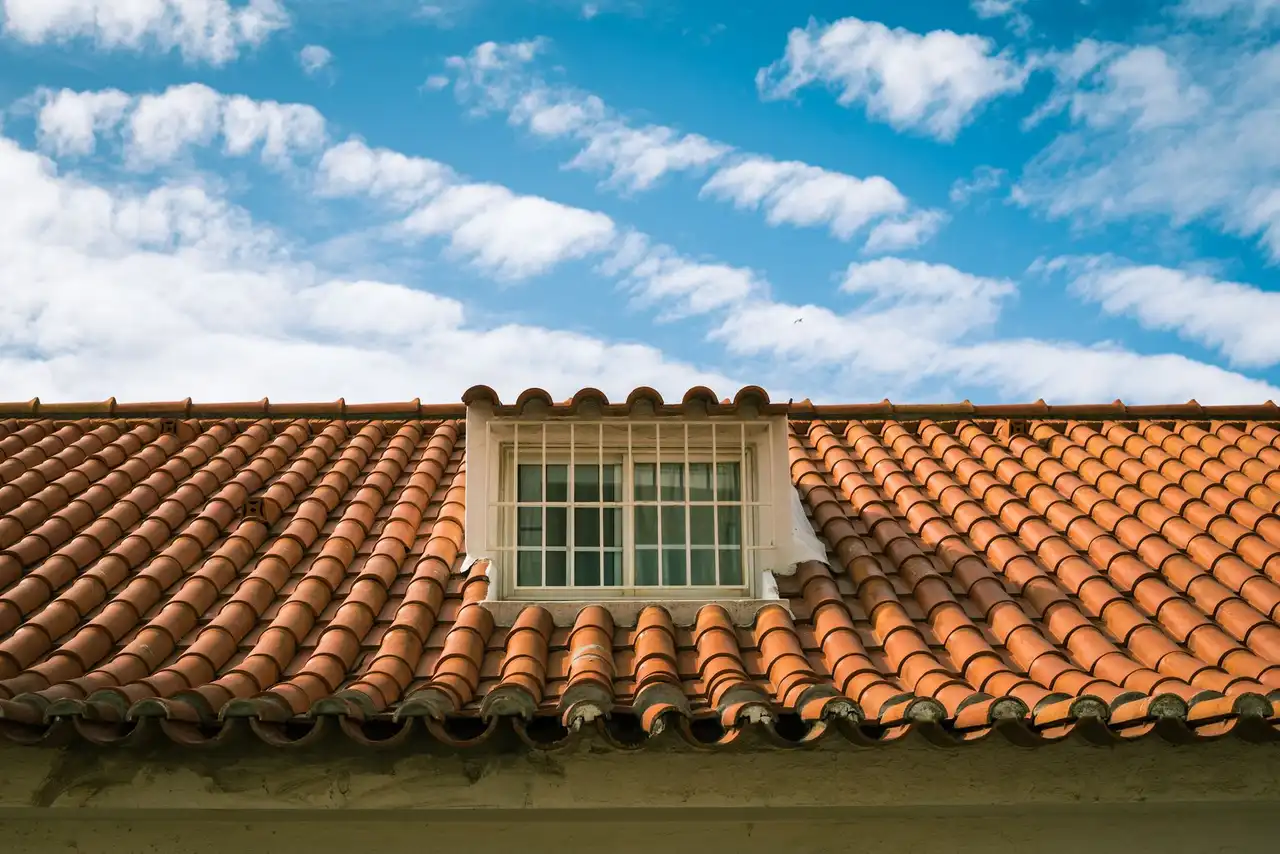
Targeted fixes for shingles, flashing and decking, with the source found before anything is patched.
View service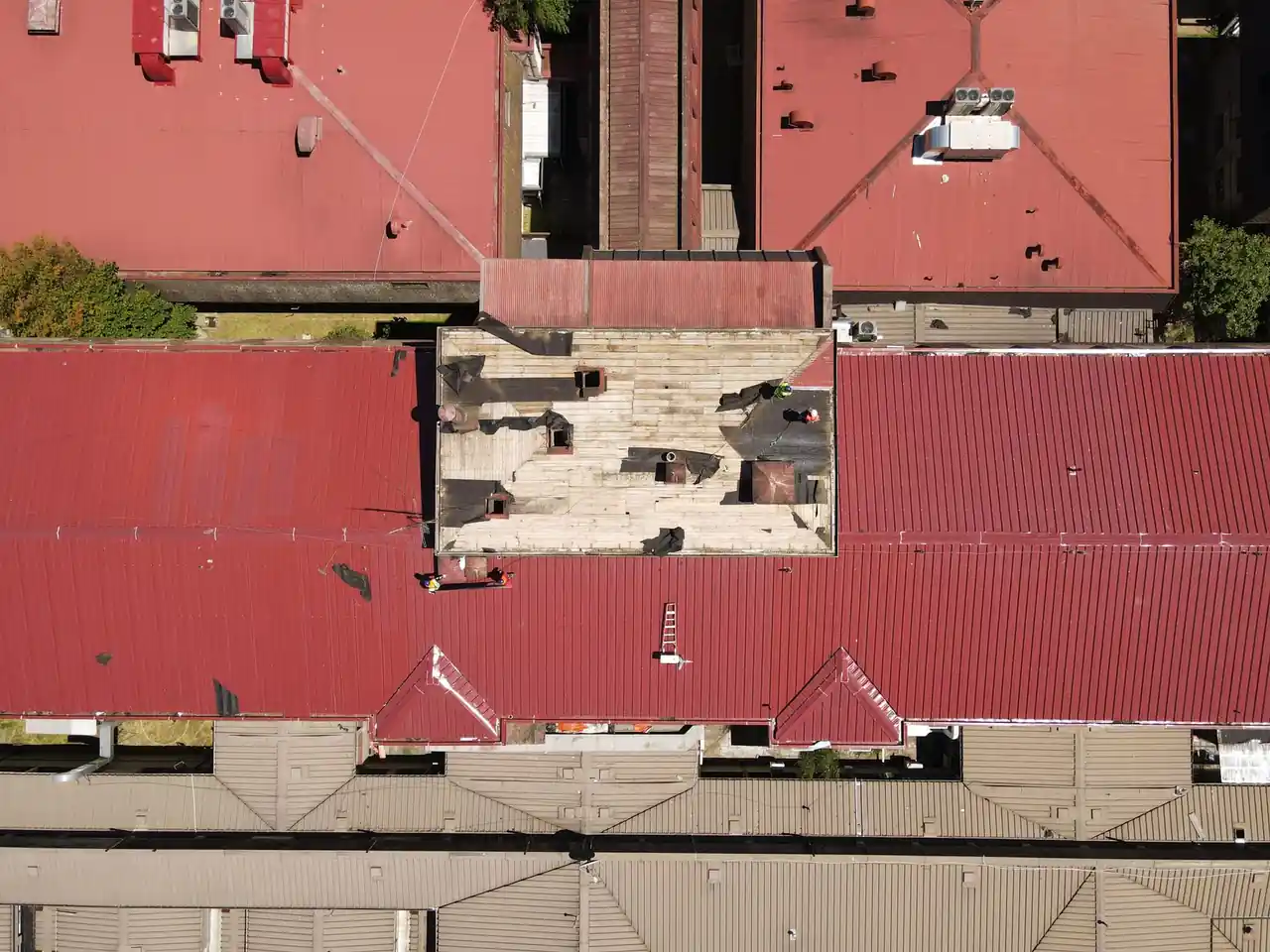
A full walk of the roof and attic with photos, so you can see what is wrong before you decide anything.
View service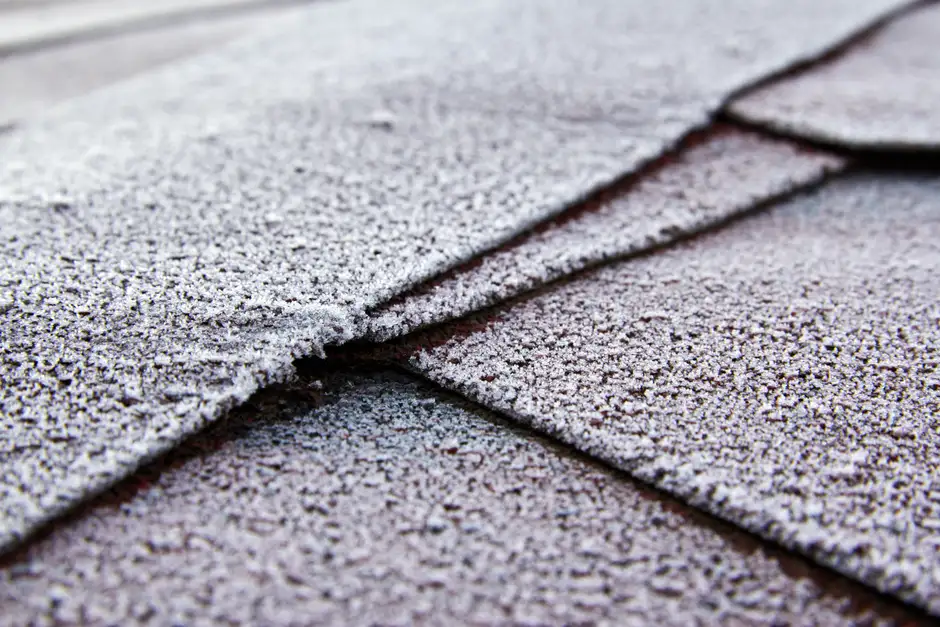
ACV vs RCV, deductibles, adjuster meetings and denials, explained in plain language.
View service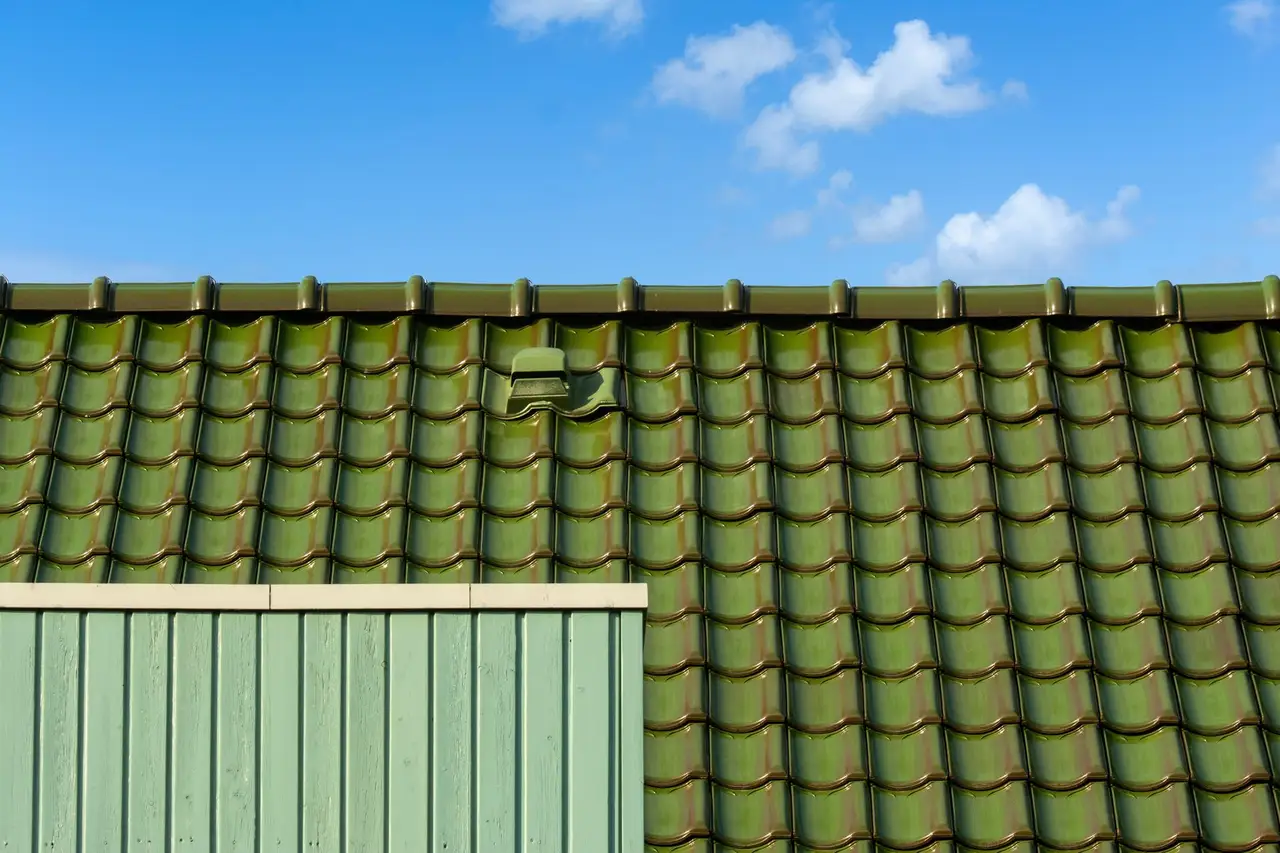
New roof installation on new construction or after a full tear-off, deck up.
View service
Call (936) 873-7200 and tell us what you are seeing. We will arrange an inspection, show you photos of the roof, and put the scope in writing before any work starts. Phone is the only way to reach us — there is no email address published for this business.