Clear scope before work
You see the written scope and the price before any work starts.
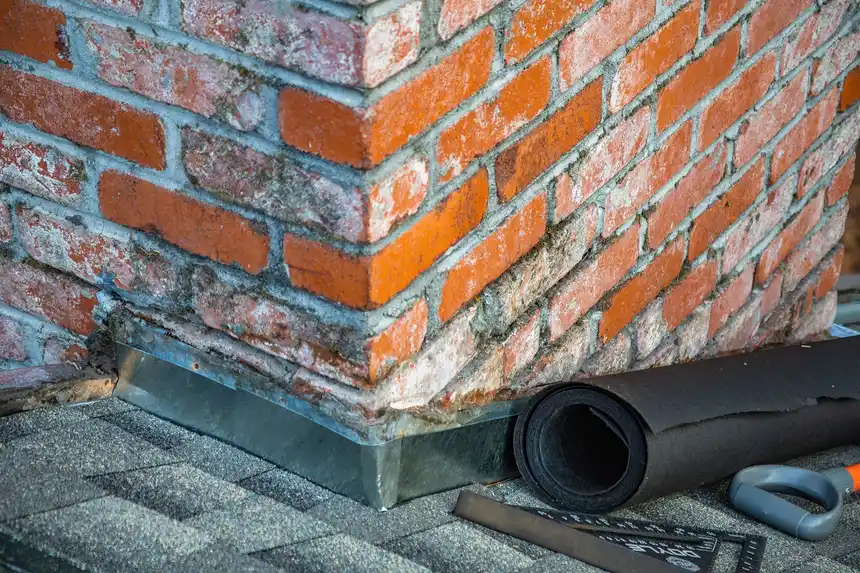
Houston’s canopy is the reason gutters here clog: pine needles in Kingwood, oak leaves in the Heights, and a full year of debris packed into valleys and outlets. A clogged gutter is not a chore you can put off — in a Harvey-intensity rain it overflows at the corners, soaks the fascia, and dumps water at the slab. We clear the runs by hand, flush the downspouts, and check the hangers, seams, fascia and drip edge while we are there.
You see the written scope and the price before any work starts.
Gutters, fascia and downspouts are treated as part of the roof water system, not an add-on.
We photograph the fascia, hangers and outlets so you can see the problem yourself.
A Houston roofing company at 5507 Lyons Ave — call (936) 873-7200 and talk to the team.
A cleaning visit is also an inspection. Here is what is included every time, and what we flag if we find it.
Leaves, pine needles and silt are removed from every run by hand — not blown into the downspouts, where they would clog the outlet.
Every downspout is flushed with water and checked for flow. A downspout that looks clear from the top is often blocked at the elbow.
We check hangers for pull-out, seams for weeping, and the run for sagging while the gutter is empty and easy to read.
Soft fascia and a failed drip edge are the two things that turn a cleaning into a repair. We photograph what we find and tell you in writing.
Debris is bagged and hauled off, and the ground below the runs is left clean. You are not left with a pile of wet leaves in the beds.
Tell us what your gutters are doing — overflowing, dripping, or just overdue — and we will arrange a cleaning and inspection with a written note of anything we find.
Gutter cleaning in Houston is removing debris from the runs and outlets by hand, flushing the downspouts, and checking the system while it is empty — hangers, seams, fascia and drip edge.
The cleaning itself is straightforward. The value is in what the cleaning reveals: a hanger pulling out of soft fascia, a seam weeping at a corner, a downspout crushed at the elbow, a run holding water because the pitch has shifted. We photograph all of it and give you a written note, so a small problem is caught while it is still small.
How often depends on the trees over the roof. A home under live oaks in the Heights or pines in Kingwood needs cleaning more often than an open lot — and after the May 2024 derecho and Hurricane Beryl, many Houston gutters were full of broken limbs and debris that had nothing to do with the calendar.
Tell us whether the gutters are overflowing, dripping at a corner, or simply overdue — and whether there are large trees over the roof.
We walk the runs, look at the valleys feeding them, and check the outlets before any debris is moved. Photos are taken of anything unusual.
Debris is removed from every run by hand and bagged. We do not blow it into the downspouts, where it would clog the outlet.
Each downspout is flushed with water and checked for flow. Elbows and outlets that will not clear are flagged in writing.
Hangers, seams, fascia and drip edge are checked while the gutter is empty. Debris is hauled off and the ground below the runs is left clean.
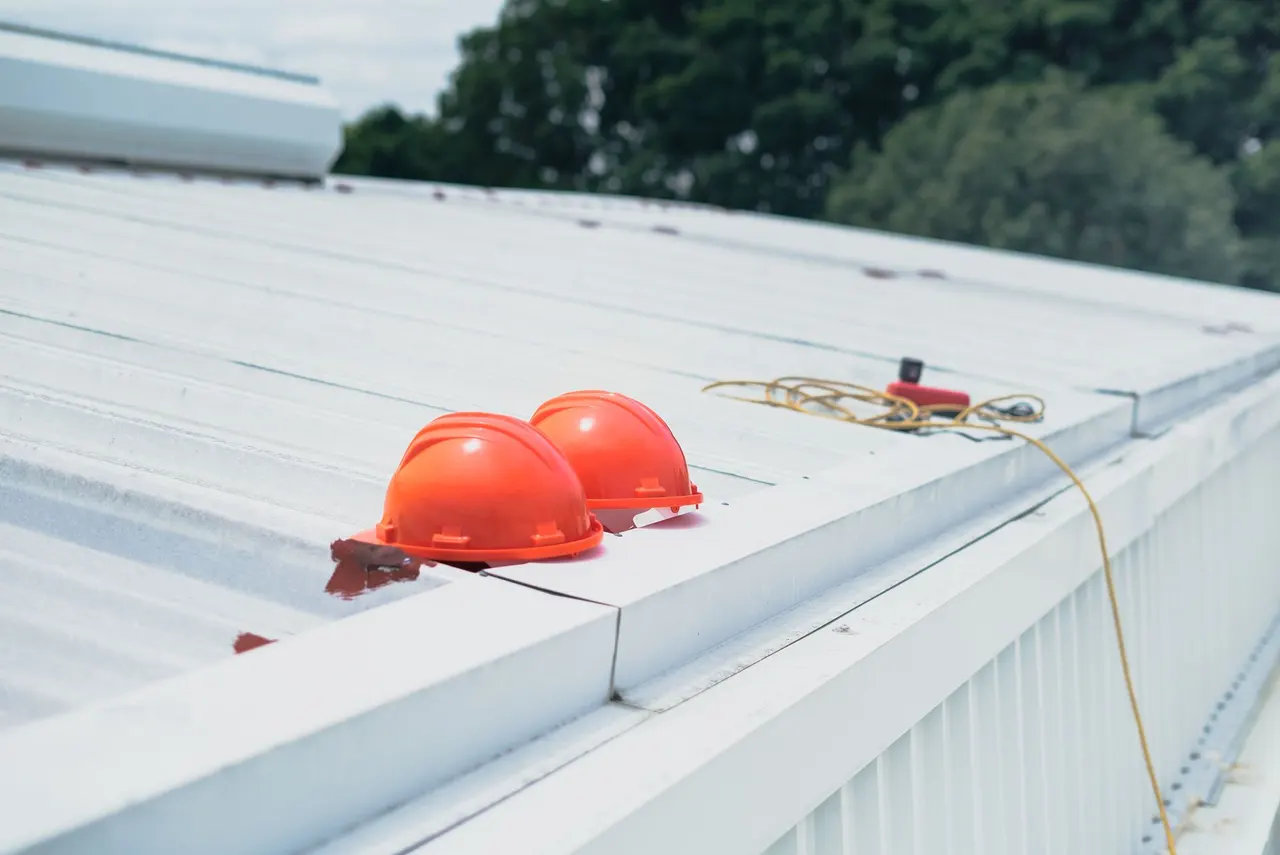
Debris is removed by hand, not blown down the spout. Blowing packs the outlet and turns a cleaning into a clog.
Every downspout is flushed with water and watched for flow. A downspout that drains slowly is flagged, not assumed clear.
Ladders set with stabilisers so the gutter is not loaded while we work. No one stands on the gutter itself.
Probes fascia and soffit for hidden rot while the gutter is empty. Soft wood is photographed and noted in writing.
A quick pitch check while the run is empty shows whether water is pooling — the first sign a run needs re-pitching.
Debris is bagged and hauled away. The beds below the runs are left clean, not covered in wet leaves.

Usually a clogged outlet or elbow, not a bad gutter. We clear the runs by hand, flush the downspouts, and check the pitch while the gutter is empty.
Pine needles pile in valleys, behind chimneys and in gutters, and hold water against the shingles. We clear the runs and the valley debris feeding them, and flag any granule loss we see.
Shade keeps the roof damp and the gutters full of oak leaves. We clear the runs and note the algae on the shaded slopes in writing, so you know what the roof is doing, not just the gutter.
Interior drains and scuppers on townhome flat roofs clog just like gutters. We check the drains and scuppers as part of the same visit, because a ponding flat roof and an overflowing gutter are often one problem.
Houston gutters clog faster than gutters in most American cities, and the reason is the canopy. Live oaks in the Heights and Montrose, pines in Kingwood, magnolias across Memorial — all of it ends up in the runs. Add about 52 inches of rain a year in short, intense bursts, and a clogged gutter is not a cosmetic issue: it overflows at the corners, soaks the fascia, and dumps water at a slab that sits on swelling clay.
Tall pines drop needles all year. Needles pile in valleys, behind chimneys and in gutters, hold water against shingles, and once gutters fill, rain backs up under the first row of shingles.
Heavy mature canopy — live oaks and magnolias. Shade keeps roofs damp, drops limbs, and packs valleys and gutters. The May 2024 derecho hit this corridor hardest.
Mature oaks and magnolias over large, complex rooflines. Long runs with many corners need the outlets checked, not just the straight sections.
Townhome flat roofs drain through interior drains and scuppers. A cleaning here includes the drains, because a blocked scupper ponds water against the parapet.
Beryl in July 2024 and the May 2024 derecho filled gutters with broken limbs and debris across the city. After any wind event, a cleaning is also a damage check.
Water dumped at the slab swells Houston’s clay and moves foundations. A clear gutter with a working downspout is the cheapest foundation protection a house has.
A Kingwood home under tall pines had gutters packed solid with needles. Every rain, the corners overflowed and water ran down the brick, staining it and soaking the foundation beds.
We cleared every run by hand, flushed the downspouts, and cleared the valley debris feeding them. The corners stopped overflowing, and we flagged granule loss on the shaded slopes in writing.
Keep it working: With pines over the roof, clear the runs twice a year and after any wind event. Guards help, but needles still need clearing.
A Heights bungalow had gutters full of oak leaves and silt. The fascia behind the worst run was soft, and the soffit showed water stains.
We cleared the runs, flushed the downspouts, and probed the fascia — one soft board was flagged for repair before it failed. The gutters drain freely now.
Keep it working: Check the outlets each spring after the oak leaf drop. A clogged outlet is what turns a clean run into standing water.
A townhome flat section ponded after every rain, and the scupper was blocked with debris. Water stood against the parapet and found its way inside.
We cleared the scupper and interior drain, flushed the downspout, and the flat section drained. The ponding was a blockage, not a roof failure.
Keep it working: Check flat-roof drains after every heavy rain. A blocked drain ponds water fast, and ponding is what kills a membrane.
Most of the expensive damage we see in Houston started as a small gutter problem. Here are the ones we run into most and how we stop them.
Most clogs are at the outlet or the elbow, not in the run. We clear them by hand and flush with water, so the downspout is proven clear, not assumed clear.
When a run backs up, water goes over the edge and straight down the wall. That is how fascia rot and attic leaks start, and it happens fast in a Houston downpour.
Water held in a clogged run soaks the fascia. We probe the wood while we are up there and flag soft boards in writing before the hangers pull out.
Townhome flat roofs drain through interior drains and scuppers. A blocked drain ponds water against the parapet and the membrane — we check both on the same visit.

A gutter cleaning is only useful if the person doing it knows what a failing gutter looks like. We are roofers first: when we are up at the eave, we are looking at the drip edge, the fascia, the first row of shingles and the valley feeding the run — not just the leaves in the trough.

Rated 4.9 out of 5 from 46 Google reviews. The excerpts below are from our Google profile — short excerpts only, with the reviewer’s name, rating and the date Google shows.
“I hired Thomas Family Roofing for a flat roof repair after hearing good things from friends and reading strong reviews. The whole experience was smooth and professional from start to finish. They also cleaned out the roof drains since they were clogged…”
Google review · Roof inspection, flat roof repair · Read on Google
“We contacted Thomas Family Roofing for an estimate on repairs for our metal roof in Houston. Luis came out, inspected the roof in person, and explained clearly what needed attention, including a few details about flashing and panel areas that other roofers had missed.”
Google review · Attic venting repairs, gutter installation, roof inspection · Read on Google
“From our first call with Thomas Family Roofing, it was clear they were focused on giving us a quality new roof and making the whole roofing process easy to understand. Miguel explained the scope of the roof replacement, the materials and shingle options…”
Google review · Roof repair for storm & wind damage · Read on Google
It depends on the trees over the roof. A home under live oaks in the Heights or pines in Kingwood usually needs cleaning twice a year, and after any wind event. An open lot with no canopy can go longer. After the May 2024 derecho and Hurricane Beryl, many Houston gutters needed clearing regardless of the calendar.
Yes — every downspout is flushed with water and checked for flow. Most clogs are at the outlet or the elbow, and a downspout that looks clear from the top is often blocked lower down.
Yes. When a run backs up, water wicks under the first row of shingles and soaks the fascia and the roof deck. In Kingwood, pine needles packed in the valleys hold water against the shingles the same way. A clear gutter protects the roof edge.
Yes. While the gutter is empty we probe the fascia and the drip edge and photograph anything soft or failed. If a board needs replacing, we tell you in writing before it becomes a repair.
We photograph it and give you a written note — what it is, where it is, and whether it needs attention now or can wait. There is no obligation to have us do the repair.
Call Thomas Family Roofing at (936) 873-7200 and describe what you are seeing — we will tell you honestly whether it needs a visit or can wait for an inspection.
Call (936) 873-7200A leak at the roof edge is often a drainage problem, not a shingle problem. When we repair a roof, we check whether overflowing gutters or failed fascia caused the damage.
Learn more
If your roof is being replaced, that is the moment to sort the gutters and fascia — the drip edge is fresh and the wood is exposed, so the whole water system can be set up right.
Learn more
Our roof inspection includes the gutter system, downspouts and fascia. We flag loose hangers, sagging runs and clogged outlets before they turn into rot, and you get photos of what we find.
Learn more
Call (936) 873-7200 and tell us what you are seeing — a sagging run, water at the slab, or a gutter that overflows every storm. We will arrange an inspection and give you a written scope before any work starts. Or send a service request through the form and we will call you back.